Budget-Friendly Meal Planning from the Grocery Aisles
Stretch your food budget without sacrificing flavor. Learn smart aisle-by-aisle picks, batch-cook strategies, and flexible menus that reduce waste.
Start with a Strategic List: A budget thrives on intention, and the smartest intention begins before you step into the store. Audit your pantry, fridge, and freezer, noting what you already own and what needs to be used soon. Build meals around those items first, then fill gaps with a simple, categorized list: produce, proteins, grains, dairy, and extras. Anchor the week to a few core ingredients that overlap across recipes—think a big pot of rice, a tray of roasted vegetables, or a pack of chicken thighs, or use beans and tofu for plant-forward value. Scan shelf tags for the lowest unit price, but pair deals with your plan so bargains become meals, not clutter. Add a couple of shelf-stable backups for busy nights such as pasta, canned tomatoes, or lentils. Finally, set a spending target per trip, leave room for one spontaneous value pick, and shop after a snack to reduce impulse grabs when hunger strikes.
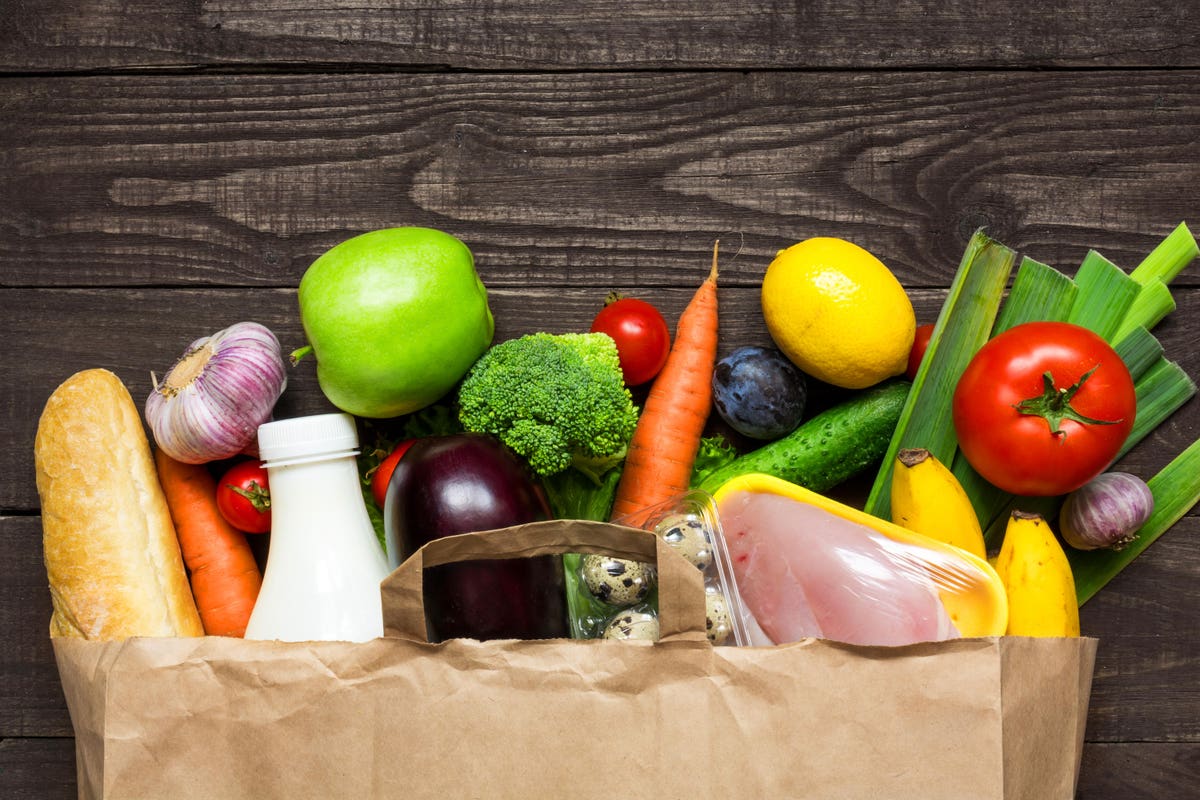
Stock Smart, Cook Flexible: Build a thrifty kitchen on versatile staples that swing across cuisines and cooking styles. Stock grains like rice, oats, and pasta; legumes such as lentils and chickpeas; eggs; canned tomatoes; frozen vegetables; and a reliable roster of spices. Onions, garlic, and carrots create a low-cost flavor base for soups, sauces, and skillets. Do quick cost-per-serving math: a bag of dried beans usually beats a single can, block cheese beats pre-shredded, and whole produce often beats pre-cut. Practice batch cooking base components on one prep day—roast a sheet pan of mixed vegetables, simmer a pot of grains, and cook a protein or two—then remix through the week with different sauces and herbs. Keep a few flavor boosters on hand: soy sauce, vinegar, mustard, chili flakes, and citrus. With a flexible base and bold seasonings, you can pivot easily if a sale item or seasonal produce shifts your plan.
Navigate the Aisles Like a Pro: Work the store with intent. In produce, choose what's abundant and sturdy: whole heads of lettuce, carrots, cabbage, and apples keep well and cost less than delicate, pre-cut options. In proteins, look for value cuts like chicken thighs, whole birds, pork shoulder, or bulk packs you can portion and freeze; canned fish and tofu deliver dependable bargains. The dairy case often hides savings in store brands and larger tubs of yogurt; buy block cheese and shred as needed. In center aisles, compare unit prices, consider generic staples, and use bulk bins for spices, oats, and nuts to avoid paying for packaging. Frozen aisles shine for plain fruits and vegetables, which reduce waste and prep time. Check top and bottom shelves for better deals, scan clearance racks for bread or pantry items, and verify dates to align with your plan. Every aisle offers a budget lever—pull the ones that fit your meals, not your impulses.
Plan Dinners the Mix-and-Match Way: Use a simple formula to stay creative and frugal: protein + grain + veg + sauce. Pair roasted chickpeas with couscous, spinach, and lemon-tahini; shredded chicken with rice, broccoli, and soy-ginger; or mushrooms with pasta, peas, and garlicky olive oil. Create theme nights to streamline planning—bean night, pasta night, soup-and-salad night—so your list stays short and efficient. Design two-in-one meals: roast extra vegetables for tomorrow's frittata, or stew lentils today to become tomorrow's taco filling. Build a grab-and-go breakfast routine: overnight oats, freezer-friendly muffins, or egg cups. For lunches, assemble modular bowls from weekend prep and finish with a different dressing to keep things fresh. Don't forget low-cost snacks like popcorn, carrots with hummus, or peanut butter on apples. The more you repeat frameworks and rotate sauces, the more you protect your grocery budget while keeping flavors lively.
Store, Prep, and Stretch Every Bite: Savings continue at home. Portion bulk buys into airtight containers, label and freeze extras, and practice FIFO (first in, first out) so older items get used first. Keep a small freezer inventory on the door to avoid duplicate purchases and to inspire quick dinners. Revive odds and ends with flexible recipes: turn wilting produce into stir-fry or soup, stale bread into croutons or breadcrumbs, and overripe fruit into smoothies or compote. Save clean veggie scraps for homemade stock and transform extra rice into fried rice or grain salads. Prep once, eat often: wash greens, chop hardy vegetables, and cook a pot of beans on the weekend. Use portion planning to reduce waste—store single servings for lunches and a couple of family portions for busy nights. With smart storage, gentle creativity, and a steady prep rhythm, you'll stretch every dollar and keep your food and groceries working hard all week.