Build Core Strength: Beyond Crunches and Planks
Go beyond crunches. Build a resilient, 360-degree core with anti-movement drills, loaded carries, rotation, better breathing, and smart mobility.
Redefining the Core
A strong core is not just about visible abs; it is a 360-degree system that stabilizes the spine, transfers force, and supports efficient movement. Think of it as a cylinder made of the diaphragm, transverse abdominis, obliques, multifidi, and pelvic floor, all coordinating to create pressure and control. When this cylinder works well, you lift more, move faster, and feel steadier in daily tasks, from carrying groceries to sprinting for a bus. Quality core training improves posture, balance, and injury resilience by teaching your body to manage load and rotation without compensation. It is not only about bracing hard; it is about timing, breathing, and precision under different demands. Focus on maintaining a neutral spine, aligning ribs over pelvis, and creating tension that you can regulate. Progress includes changing planes, positions, and tempos so your core can stabilize during pushes, pulls, hinges, and squats. This holistic view takes you beyond ab burnouts and into dependable, real-world strength.
Train What Resists Motion
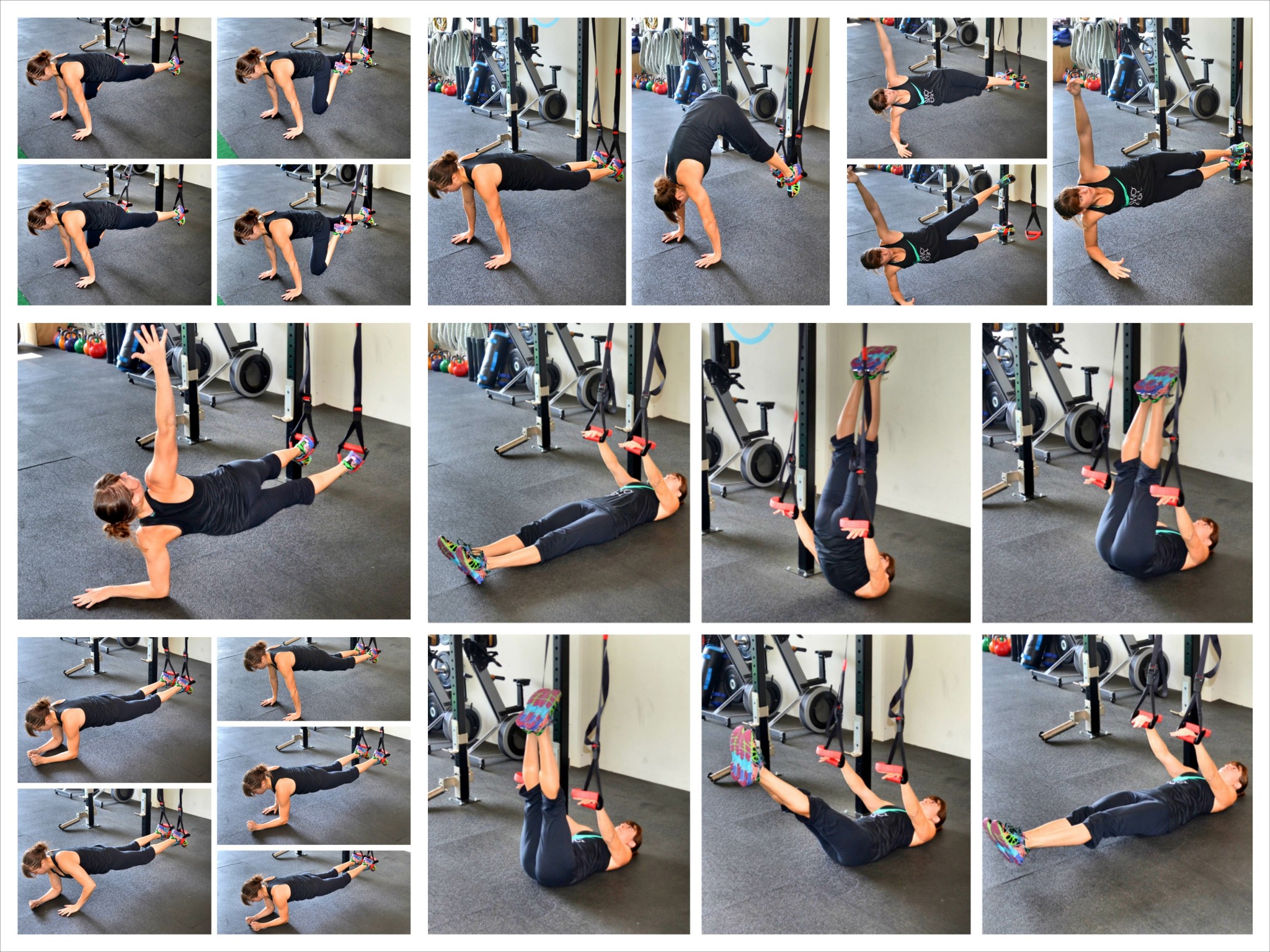
The most useful core patterns often train you to resist unwanted movement: anti-extension, anti-rotation, and anti-lateral flexion. For anti-extension, prioritize controlled moves like dead bugs and rollouts that challenge you to keep the ribs tucked while the limbs move. For anti-rotation, use Pallof presses, half-kneeling cable or band presses, and split-stance rows that ask your trunk to stay square against twisting forces. For anti-lateral flexion, try suitcase carries, offset front-rack holds, and single-arm farmer holds where your trunk resists side-bending. Keep your breathing steady, exhaling gently during the hardest part of each rep to maintain pressure without gripping your neck or lower back. Start with stable stances and slow tempos, then shift to staggered or single-leg bases and subtle speed changes. The goal is crisp control: no rib flare, no hip dumping, and smooth transitions. By learning to resist first, you earn the right to produce force powerfully and safely.
Hips, Glutes, and the Core Connection
A resilient core depends on strong, coordinated hips and glutes. The pelvis is the bridge between upper and lower body; if it wobbles, your trunk must overwork. Build a solid hinge and bridge pattern with glute bridges, hip thrust variations, and Romanian deadlifts to strengthen the posterior chain. Add single-leg work like rear-foot elevated splits, step-downs, and single-leg RDLs to challenge anti-rotation and improve pelvic control. Keep the foot grounded through the tripod (big toe, little toe, heel), and let the knee track with the toes for clean lines. Pair hip work with trunk stability by practicing hip airplanes, lateral band walks, and adductor side planks or squeezes to balance frontal-plane control. Stack ribs over pelvis while lengthening through the back of the neck. Feel the glutes anchor the pelvis as the deep abdominals gently draw inward on the exhale. When the hips drive and the trunk transfers force, lifts feel lighter, strides smoother, and your back happier.
Rotation Done Right
True athleticism includes controlled rotation and crisp deceleration. Instead of twisting wildly, learn to sequence from the ground up: feet root, hips load, trunk resists, and arms finish. Use cable chops and lifts, band-resisted rotations, and split-stance presses to groove spiral patterns with posture. For power, integrate light medicine ball scoop tosses, rotational throws, and step-behind slams, emphasizing clean hip drive and a tall finish. Think short, sharp efforts with full-body tension and organized breathing. Equally important is braking: practice catching the finish softly, absorbing force through the glutes and obliques without collapsing at the ribs. Begin with slower diagonals, progress to rhythm-based sequences, then add speed or complexity. Keep the pelvis and ribs coordinated so the lumbar spine is not the primary rotator; let the thoracic spine and hips share the work. Done right, rotational training enhances sprinting, striking, and change of direction while keeping your back secure.
Breathe for Strength and Stability
Breath fuels intra-abdominal pressure, the foundation of stable movement. Learn 360-degree breathing: inhale through the nose to expand ribs sideways and backward, soften the belly without flaring the chest, then exhale through pursed lips to stack ribs over pelvis and feel the deep abdominals engage. Use drills like supine 90-90 breathing or gentle prone (crocodile) breathing to feel back-body expansion. On heavier efforts, create a balanced brace by sealing the cylinder—pelvic floor up, low ribs down, spine long—then time the exhale through the sticking point to maintain pressure without straining. Avoid shrugging, jaw clenching, or arching the lower back as tension climbs. Between sets, reset with one or two calm breaths so posture and coordination return before the next rep. When breathing and bracing cooperate, you lift more efficiently, rotate more cleanly, and recover faster, turning your core from a cosmetic project into a finely tuned pressure system.
Loaded Carries: Core on the Move
Few tools build practical resilience like loaded carries. They challenge posture, grip, and gait while training anti-rotation and anti-lateral flexion under real-world motion. Try suitcase carries to resist side-bending, farmer carries to reinforce bilateral stability, and rack carries to strengthen the anterior core and upper back. For added precision, use overhead or bottoms-up variations to demand shoulder centration and rib control. Walk tall, keep your gaze forward, and let your arms hang quietly or stay stacked under the load. Take measured, quiet steps, maintaining an even cadence and avoiding sway. Mix distances and tempos—short, crisp bouts that keep position perfect beat long, sloppy marches. You can also blend patterns, like a suitcase carry in one hand and a front-rack in the other, to refine anti-rotation. Carries marry breath, bracing, and movement, teaching the core to stabilize dynamically so strength shows up outside the gym.
Build Smarter, Progress Safely
Effective programming layers stability, strength, and power without overloading any single pattern. Sprinkle anti-movement drills into warm-ups, pair hip-dominant lifts with targeted trunk work, and finish with brief, high-quality carries or rotational efforts. Progress from stable to variable stances, bilateral to unilateral, slow to fast, and simple to complex, while maintaining crisp positions. Use modest increases in load, range, or speed only when you can breathe, brace, and move without compensations. Balance training with mobility for hips and thoracic spine, soft-tissue care, and active recovery like walking or light cycling. Quality sleep, hydration, and nutrition amplify results just as surely as clever exercise selection. If a motion triggers sharp pain, adjust the angle, reduce load, or choose a nearby pattern that keeps form pristine. Consistency beats heroics. Build a core that withstands chaos by mastering fundamentals, respecting recovery, and letting accuracy lead every progression.