Bulk Buying Basics: Save Money Without Waste
Learn when bulk buying truly saves, how to store food right, calculate unit costs, and cut waste so your pantry and budget both win.
Know Your Needs
Before you buy big, start with a clear inventory of what your household actually uses. List everyday staples like rice, oats, beans, cooking oil, flour, canned tomatoes, and frozen vegetables, then note how quickly you go through them. Separate perishables from shelf-stable items, because buying bulk salad greens is nothing like buying bulk pasta. Track consumption for a couple of weeks to spot realistic patterns and sizes that make sense. Build a simple budget for bulk purchases so savings do not become impulse buys. Consider your storage space, cooking habits, and the number of people you feed. If you are unsure about a product, buy a smaller size first to test taste and versatility. Think about dietary preferences and any seasonal changes in appetite. Finally, outline a short list of high-impact items to buy in bulk and a second list of items to avoid. The goal is targeted purchases that lower costs without crowding shelves or creating waste.
Price Smart
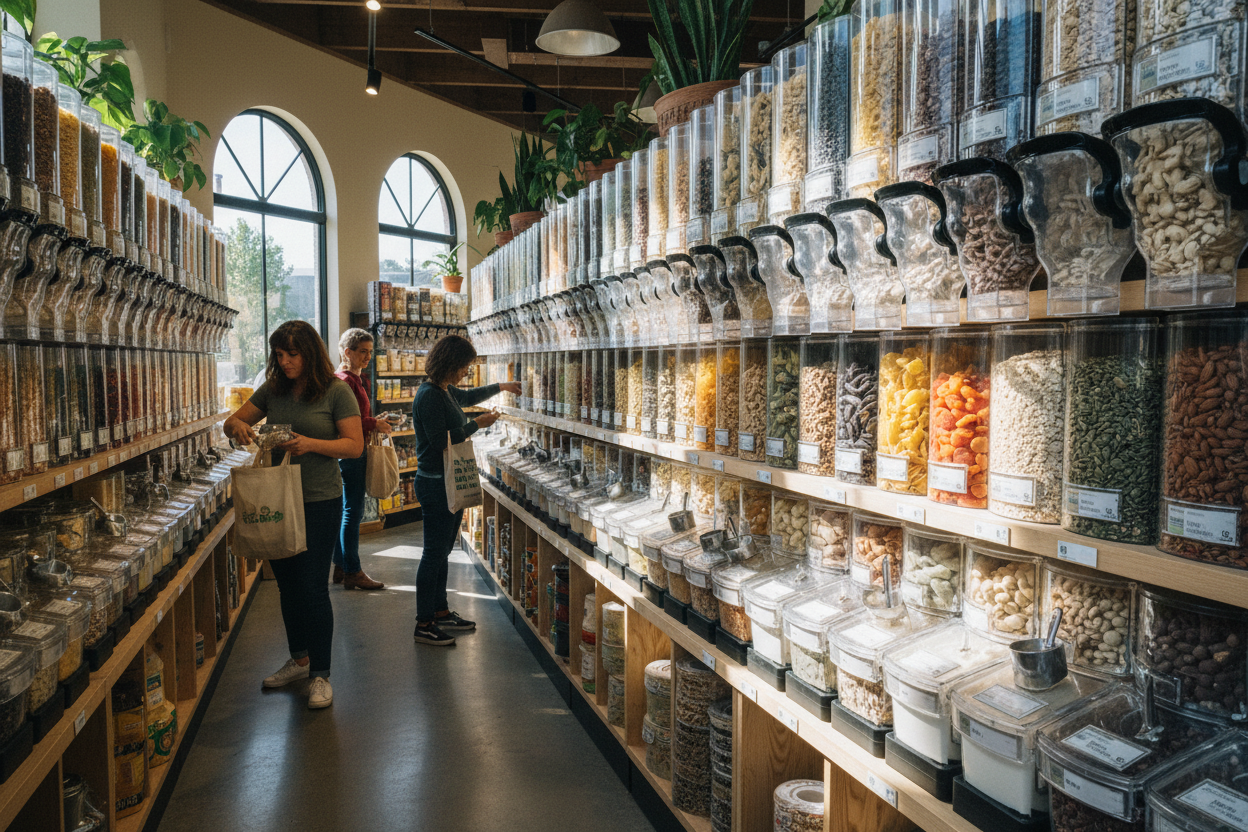
Getting the best value from bulk shopping depends on comparing unit price rather than sticker price. Check the price per ounce, pound, or liter, and include everything in your total cost, such as the cost of storage bags or containers. Weigh quality and spoilage risk: a jumbo container that goes stale is more expensive than a smaller pack that gets fully used. Test whether store brands in bulk are truly cheaper than sales on name brands, and remember that promotions can make smaller sizes a smarter buy. Beware of buying a bulk unit that hides lower quality or outdated stock. Consider the form of the product too: whole beans versus ground coffee, bone-in versus boneless protein, concentrated broth versus ready-to-use. Choose formats that maximize flexibility and waste reduction. Keep a simple reference on your phone with typical unit prices for your staples to spot genuine deals quickly and make consistent, confident decisions.
Storage Strategies
The right storage turns bulk bargains into long-lasting value. Prioritize airtight containers for grains, flours, snacks, and nuts to lock out moisture and pests. Store dry goods in a cool and dark area to preserve flavor and nutrients. Decant large bags into sturdy, stackable containers, and add clear labeling with item name and date opened. For the freezer, use freezer-safe bags or boxes to protect texture and prevent odors from migrating. Press out air before sealing to limit ice crystals. Implement FIFO (first in, first out) by placing newer stock behind older items so nothing gets lost and stale. Keep a small scoop inside large bins to minimize contamination and portion accurately. For items like flour or rice, consider short-term freezing to deter pests before pantry storage. Avoid storing produce near ethylene-sensitive foods if ripening is an issue. Organize shelves by category and frequency of use, so daily ingredients remain easy to reach without disturbing long-term reserves.
Portion and Prep
Transform bulk buys into ready-to-use assets with strategic portioning and meal prep. Split family packs of protein into single-meal bundles and label each with cut type and date. For vegetables, wash only when needed unless you will use them within a short window; for longer storage, prep minimally or blanching before freezing can help preserve color and texture. Batch-cook base components like beans, grains, and sauces, then freeze in flat, stackable portions for fast thawing. Create snack packs with nuts, dried fruit, or crackers to prevent over-pouring and maintain freshness. Repackage large tubs of yogurt or cottage cheese into smaller jars to limit air exposure and reduce cross-contamination. Use measuring scoops in bulk bins to keep serving sizes consistent, which supports waste reduction and budget control. Jot cooking instructions on the package or a freezer list, so anyone in the household can use what you bought without guesswork. Small organizational steps turn big quantities into consistent, everyday convenience.
Use It Up
A strong meal planning routine prevents waste and keeps variety high. Start each week by selecting a few anchor ingredients from your bulk stash, such as rice, lentils, oats, or frozen vegetables, then build recipes around them. Plan intentional leftovers by cooking double portions of versatile bases like roasted vegetables or shredded chicken that can become bowls, tacos, or soups. Favor versatility: grains that work for breakfast and dinner, beans that suit salads and stews, tomatoes that fit sauces and braises. Run a periodic pantry challenge, prioritizing open packages and older items before you restock. Rotate recipes to avoid palate fatigue, using spice blends and quick sauces to provide variety without shopping again. Embrace scrap cooking, turning herb stems into pesto, bones into broth, and stale bread into croutons or breadcrumbs. When you align menus with what you have, bulk buying becomes a reliable system that feeds creativity while trimming both spending and waste.
Sustainable Habits
Bulk shopping can support sustainability when you balance quantity with mindful habits. Split extra-large packages with friends, neighbors, or a local group to share savings and reduce spoilage through sharing. If you overbought, prioritize donation of unopened, shelf-stable goods while they are still in prime condition. Compost suitable scraps to keep food out of landfills, and choose products with minimal packaging when possible. Keep a simple feedback loop: note what items lasted, what went stale, and which sizes matched your routine, then adjust your plan. Track the space you allocate for bulk goods and reserve room for quick-turn staples you use daily. Favor multipurpose ingredients that slot into multiple recipes, reducing the need to maintain a sprawling inventory. When you combine smart purchasing with responsible storage, portioning, and menu planning, you amplify the financial benefits while supporting a lighter environmental footprint. Sustainable bulk buying is ultimately about right-sizing abundance to match real-life use.