Decoding Food Labels: What Really Matters at the Store
Cut through marketing claims: learn to read serving sizes, ingredient lists, %DV, added sugars, and certifications to compare products and shop smarter.
Start With Serving Size
The fastest way to make sense of a package is to begin with the serving size. Everything else on the nutrition panel flows from this number, so if the serving size is smaller than what you actually eat, the rest can look deceptively light. Check servings per container to see whether the package is intended for multiple sittings. If you plan to eat the whole thing, multiply the calories, sugars, fat, and sodium by the number of servings. Be mindful of products that list oddly small servings for items typically eaten in larger amounts, like cereal or chips. When comparing similar products, level the playing field by looking at values per serving and, when available, per 100 grams to avoid being misled by portion differences. For beverages and snack packs, look for a per container line, which simplifies the math. Starting with serving size ensures you read everything else in context, avoiding surprises at the bottom of the bag.
Calories And Macros
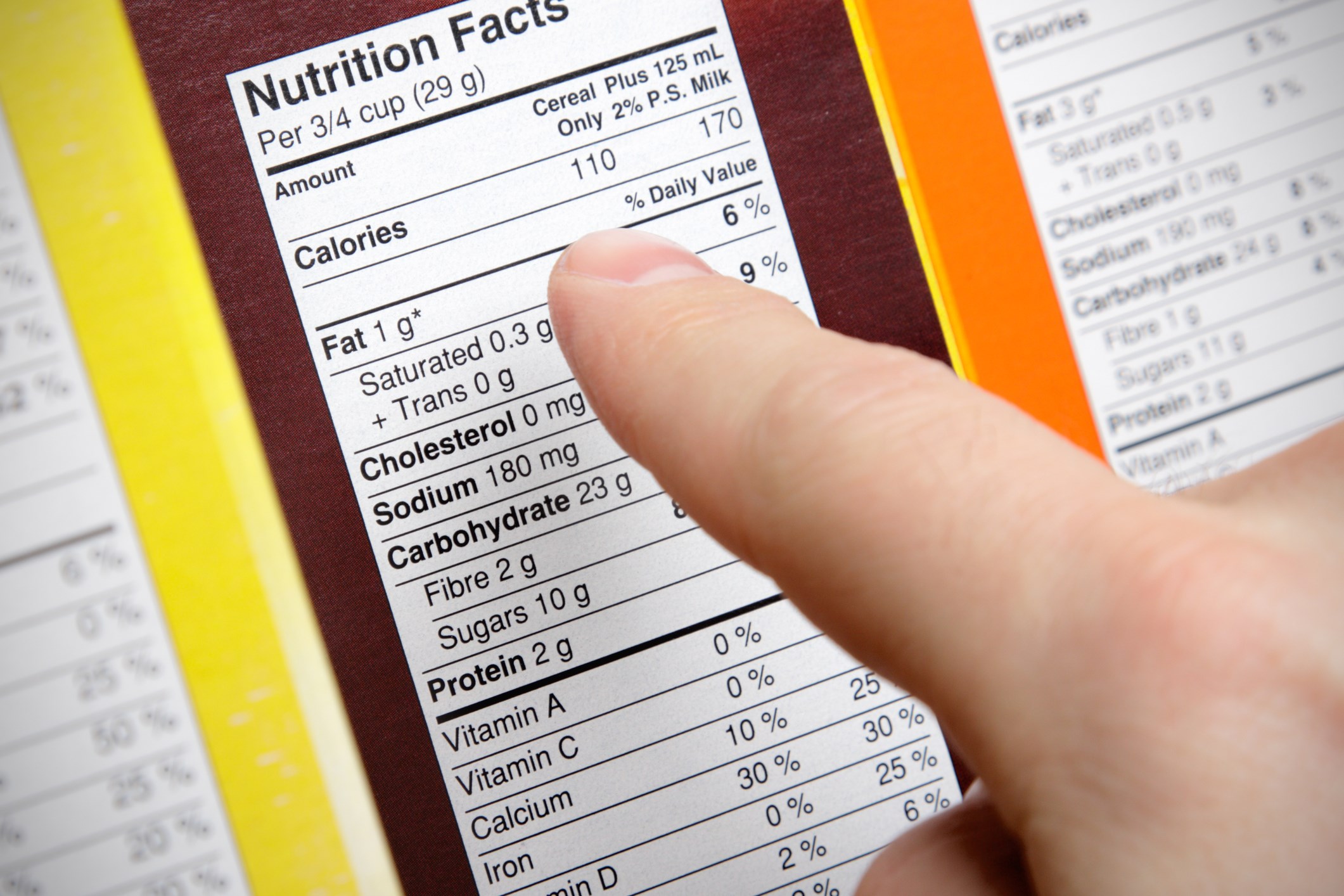
Once the serving size is clear, examine calories alongside the big three macronutrients: carbohydrates, fats, and protein. For carbs, distinguish total carbohydrates from dietary fiber and added sugars. Higher fiber can mean better satiety and a steadier energy curve, while added sugars can stack up quickly in flavored yogurts, sauces, and cereals. For fats, focus on the type: unsaturated fats (from nuts, seeds, and oils) can be part of a balanced cart, while saturated fat is worth watching if it crowds out better options. Trans fat should be minimized whenever possible. Protein helps with fullness and repair; compare grams across similar products to find better value for your goals. Use macros to balance a meal: pair a higher-carb item with protein and fiber, or temper a richer item with vegetables. The aim is not perfection but nutrient balance that aligns with how and when you plan to eat the product.
Read The Ingredients
The ingredient list tells the story behind the numbers. Ingredients are listed in descending order by weight, so the first few lines reveal what you are mostly buying. If you see whole foods like oats, beans, vegetables, or whole grains up top, that often signals a more straightforward product. Scan for added sugars under many names—cane sugar, syrups, honey, or concentrates—and note how early they appear. Keep an eye on refined starches, which can inflate carbs without adding much fiber. Flavorings, emulsifiers, and stabilizers are common in packaged foods; they are not inherently bad but may indicate heavier processing. A shorter list can be helpful, but context matters: a loaf of bread can have several necessary ingredients and still be a quality choice. For personal preferences or dietary needs, watch for allergens like wheat, soy, milk, eggs, peanuts, and tree nuts. When in doubt, compare two similar products side by side and choose the one with simpler, more recognizable building blocks.
Decode Percent Daily Value
The Percent Daily Value (%DV) offers a quick gauge of how much a nutrient contributes to a typical daily intake. As a general rule of thumb, a lower %DV suggests a smaller contribution, while a higher %DV indicates a more significant one. Use it to spot standouts quickly: a high %DV of fiber is usually a plus; a high %DV of sodium may prompt a second look. For nutrients many shoppers watch—saturated fat, added sugars, and sodium—aim for lower %DV when possible, especially if other parts of your day are less controlled. For beneficial nutrients like calcium, iron, potassium, and vitamin D, a higher %DV can help fill gaps. Remember that %DV is based on a standard reference diet; your needs may vary. Treat it like a compass, not a command. When comparing similar items, the %DV levels help level differences in serving sizes and make quick, confident choices in the aisle.
Claims Versus Reality
Front-of-package claims are designed to catch your eye. Some are helpful; others require a closer look. Terms like no added sugar do not mean sugar-free; fruit-heavy products can still be sweet due to naturally occurring sugars. Light or reduced claims only compare the product to a reference version; they do not guarantee the item is low in calories or sodium overall. Made with whole grains might mean a small amount; scan the ingredient list for whole grain near the top to confirm. High protein may come alongside higher sodium or added flavors, so check the trade-offs. Certifications like organic or non-GMO speak to how ingredients were produced, not to calorie or sugar levels. Treat claims as an invitation to turn the package around. The back panel—serving size, macros, %DV, and ingredients—tells the truth behind the slogan and helps you align purchases with your actual priorities.
Additives And Processing
Modern groceries often include additives like preservatives, emulsifiers, stabilizers, and colors to maintain texture, safety, and shelf life. These ingredients appear in tiny amounts and serve technical roles. While lengthier lists often suggest more processing, that does not automatically mean a food is poor quality. Consider the purpose and the whole package: a fortified cereal may deliver essential micronutrients, and a yogurt with stabilizers may still be rich in protein and calcium. If you prefer fewer additives, look for products with shorter ingredient lists and familiar components, or choose minimally processed options like frozen vegetables, canned beans with simple seasonings, and plain dairy. When flavorings or sweeteners are used, check whether they accompany excess sugars or unusually high sodium. Over time, build a personal tolerance line: some categories may be fine with a few technical ingredients, while others feel better in a simpler form. The key is informed trade-offs that fit your taste, budget, and routine.
Shop Smart In Aisles
Turn label knowledge into action with a simple scan-and-compare routine. First, glance at the claim, then flip to check serving size, calories, and %DV for sodium, added sugars, and saturated fat. Next, skim the ingredient list for whole foods and any red flags for your preferences. Finally, compare unit price by weight or volume; the best nutritional choice also needs to make sense for your budget. Keep a few reliable go-to items—like unsweetened yogurt, whole-grain breads, plain oats, canned fish, and no-salt-added beans—to anchor meals. For snack foods, balance taste with fiber and protein to improve satisfaction. If you manage allergies or sensitivities, always check the contains or may contain statements, even on familiar brands. Over time, you will build a mental checklist that speeds decisions: prioritize whole ingredients, manage added sugars and sodium, and pick products that support how you actually cook and snack during the week.