Denim Decoded: Cuts, Washes, and Fits Explained
From skinny to wide-leg, raw to stonewash, learn the key cuts, washes, and rises so you can pick your perfect jeans and make them last longer.
Denim Fundamentals: Denim begins with a twill weave that creates the familiar diagonal rib, formed as dyed warp yarns pass over undyed weft yarns. This construction balances durability, breathability, and drape, giving jeans their go-anywhere appeal. Fabric ounce weight signals heft: lighter denims feel breezy and break in quickly, while heavier options hold structure and age with dramatic character. A touch of stretch (often elastane) adds comfort and mobility, yet too much can compromise recovery and shape. Look for ring-spun yarns and subtle slub for rich texture, or choose clean, uniform yarns for a sleeker look. Selvedge denim, woven on shuttle looms, features a tidy self-finished edge and often a denser hand, prized by enthusiasts for its heritage vibe. Non-selvedge fabrics can be equally refined and offer broader silhouettes and finishes. Understanding these building blocks helps you predict how jeans will soften, mold, and fade, so your selection aligns with your priorities for comfort, longevity, and style expression.
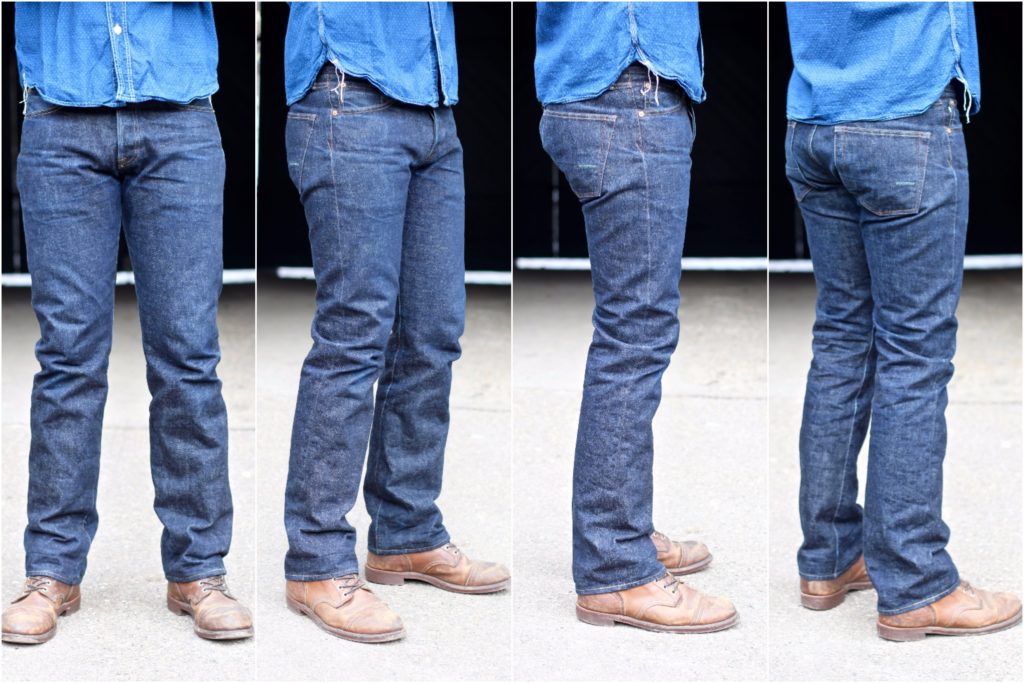
Cuts and Silhouettes: The architecture of jeans starts with the rise (how high the waistband sits) and continues through the seat, thigh, knee, and leg opening. A classic straight cut offers balanced lines that flatter most builds. Slim narrows gently from hip to ankle, while skinny hugs the leg for a sleek, modern profile. If you value ease, relaxed and loose cuts deliver room through the seat and thigh; a tapered leg trims the hem for a sharp finish. Bootcut adds subtle flare to accommodate chunkier footwear, and wide-leg brings runway volume with laid-back movement. Consider proportion: a tapered leg can streamline athletic thighs; a slight crop can lengthen the leg line; a fuller silhouette pairs beautifully with structured tops. Match silhouettes to shoes—sleek sneakers or derbies love slim and tapered, while chunkier boots harmonize with straight and bootcut. The right cut balances comfort, mobility, and the visual story you want to tell.
Washes and Finishes: Color and texture define mood. Raw (or rigid) denim arrives unwashed, retaining deep indigo and evolving personalized fades—think natural whiskering at the hips and honeycombs behind the knees. A simple rinse softens hand feel without erasing depth. Dark wash reads polished and versatile for smart-casual settings; medium wash blends approachability with structure; light wash leans casual and sun-worn. Mechanical and chemical processes like stonewash and enzyme treatments open the fiber for a broken-in look, while overdye deepens tone and coatings add subtle sheen or weather resistance. Contemporary techniques, including laser finishing and careful hand sanding, place highlights precisely for a lived-in effect. Choose thoughtfully: darker, minimally processed jeans anchor refined outfits and resist trends; lighter, artfully distressed pairs showcase texture and weekend ease. Remember that heavy distressing can limit formality and longevity, while gentler finishes offer flexibility and age gracefully with your lifestyle.
Fit and Sizing Strategy: Fit is the nexus of comfort and confidence. Start with core measurements: waist, rise (front and back), thigh, knee, inseam, and leg opening. Brands interpret sizes differently, so expect variation and prioritize how the jeans feel. Perform a quick comfort check: sit, squat, and walk to gauge seat mobility and thigh ease; aim for a gentle hug, not a squeeze. With stretch denim, ensure solid recovery—fabric should bounce back rather than bag at the knees or seat. Anticipate shrinkage in certain cotton-rich fabrics and allow a small margin if you plan to wash and air-dry. Address a waist gap with a taper or dart at the tailor, and dial in inseam for your preferred break, from clean no-break to intentional stacking. If you cuff, verify that the silhouette still reads balanced. Keep notes on rises and thigh room that work for you; a repeatable fit map makes future purchases faster and more accurate.
Care and Styling Essentials: Smart care preserves color, texture, and structure. Opt for a cold wash, turn jeans inside out, use a gentle detergent, and air-dry to protect fibers and maintain shape. Spot-clean between washes to manage wear and keep indigo character intact. Avoid excessive heat, which can weaken elastane and accelerate fading. For styling, build a flexible uniform: a dark wash anchors sharp looks with a crisp tee, oxford, or blazer; medium wash shines with knits and everyday outerwear; light wash brings casual ease with relaxed shirts and vintage tees. Experiment with cuffing to frame boots or sneakers and to fine-tune proportion; slim cuffs suit streamlined silhouettes, while wider cuffs balance roomier legs. Mix tonal pairings for sophistication or embrace contrast for energy. A small capsule wardrobe—one dark, one lived-in midtone, one statement wash—covers work-to-weekend needs, ensuring your denim rotates, breathes, and always looks intentional.