Farmers Market Finds: Turning Seasonal Picks into Meals
Turn your farmers market haul into easy, seasonal meals with smart shopping, storage tips, and no-recipe formulas for weeknight success.
Scout the Stalls
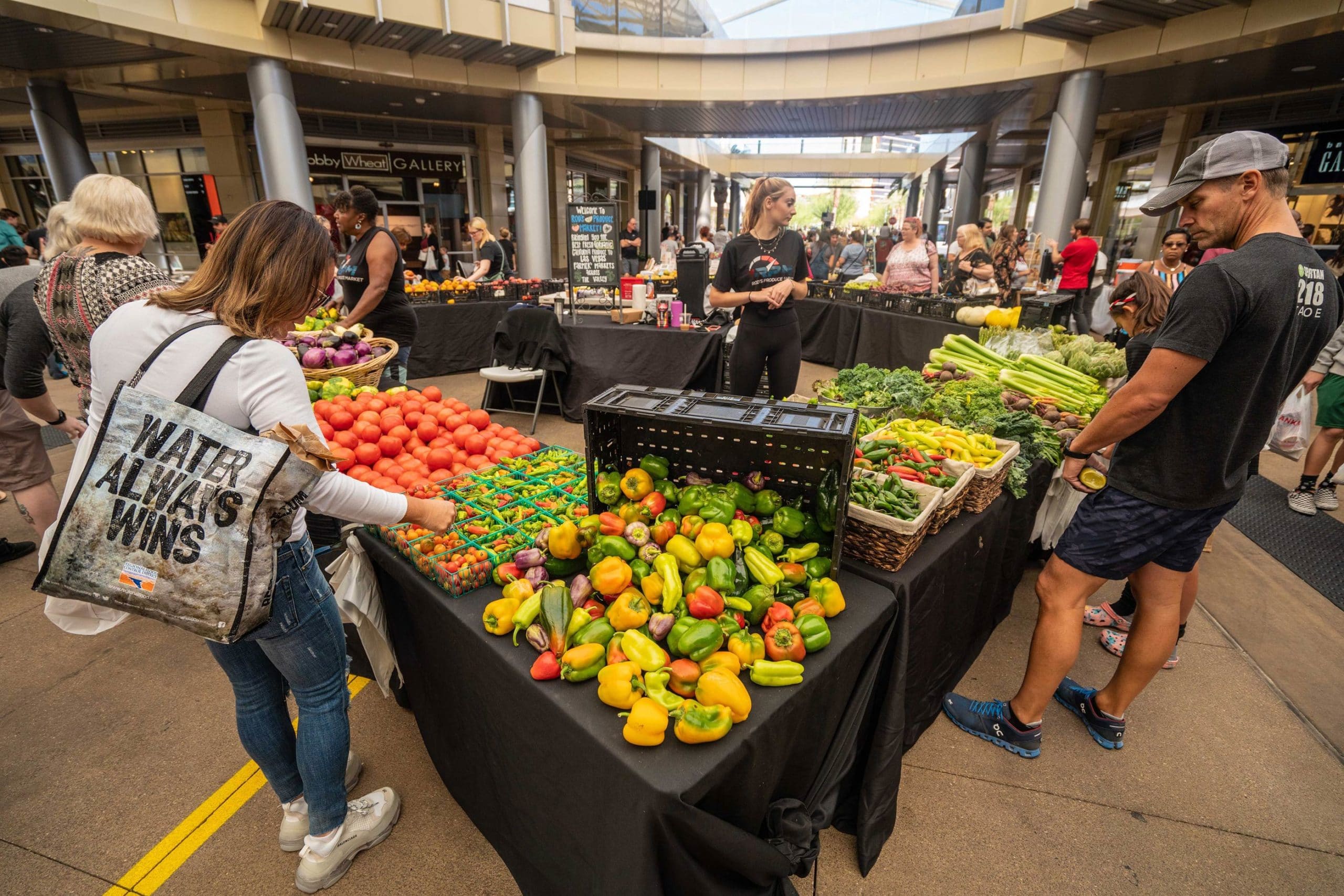
Walking into a farmers market is like stepping into a living pantry, so begin with a plan and open senses. Scan the displays for peak produce, noting color, aroma, and firmness, and ask growers about variety, ripeness, and best uses. Build a flexible list anchored by a few star items, such as leafy greens, roots, and alliums, then fill in with herbs, fruit, and a market protein like eggs or cheese. Shop in a loop: first a quick tour for price and quality, then circle back to buy. Early browsing offers the best selection, while later passes can yield value buys. Taste when offered, and learn seasonal cues: crisp snap for beans, fragrant shoulders for melons, and heavy-for-size for citrus. Bring sturdy bags, a cooler for dairy, and small bills. Think in meal clusters rather than single dishes, and choose produce that overlaps in flavor or technique, so your haul becomes versatile building blocks for the week ahead.
From Basket to Blueprint
Turn that colorful haul into a simple meal map. Start with formulas that travel across days: sheet pan veg + grain + sauce, brothy pot + toast, chopped salad + protein + crunch, and roast once, remix twice. Pick two anchors—say, tomatoes and zucchini, or brassicas and sweet peppers—then design four meals by changing texture, heat, and dressing. Cross-utilize components: a herb-forward yogurt can top roasted carrots, loosen into a dressing, or marinate beans. Keep a small shelf of pantry partners—olive oil, vinegars, mustard, tahini, nuts, tinned fish, and dried legumes—to stretch market finds into complete plates. Balance plates with a simple matrix: color, texture, acid, fat, and crunch. If you prefer structure, sketch a weekly grid: one big batch base, two quick sautés, one no-cook night, and a soup or stew. Leave a flex spot for surprise finds, and note perishability so delicate items get used first.
Prep and Store with Intention
Good post-market prep protects flavor and saves time. Triage quickly: sturdy roots can wait, but tender greens and berries need attention. Spin-wash greens, wrap in towels, and tuck into ventilated bins; stand herbs like a bouquet in a jar with cool water, then cover loosely. Keep roots dry and bagged, stash cucumbers and peppers in crisper drawers, and let tomatoes breathe at room temp. Layer berries in a shallow container lined with paper, and rinse only before eating. Make smart make-ahead moves: roast a tray of mixed vegetables, cook a pot of grains, whisk two versatile sauces, and toast seeds for crunch. Blanch and shock hardy veg for faster weeknight cooking, and freeze extra chopped herbs in oil for instant flavor bombs. Reduce waste by turning stems into pesto, leaves into chimichurri, and peels into stock. Quick-pickle odds and ends for brightness. Label and date containers, rotate by first in, first out, and keep a visible snack box for ready-to-eat produce.
Techniques that Transform
Simple methods unlock market magic. Roasting concentrates sweetness and adds charred edges; grilling brings smoke and snap; sautéing keeps textures bright; steaming preserves tenderness; and shaving raw vegetables layers freshness. Use high heat wisely, season early with salt, and finish with acid and herbs. A pan of caramelized carrots becomes a grain bowl with feta and dill; blanched green beans tossed with anchovy-lemon breadcrumbs turn into a vibrant side; grilled zucchini meets mint and yogurt for a cool-hot contrast. Try quick soups: simmer tomatoes, onion, and basil, then blitz for a silky bowl; or fold chopped greens and leftover veg into a frittata. Assemble tacos with charred peppers, beans, and crunchy slaw; build hearty salads with roasted beets, citrus, and toasted walnuts. Keep a house vinaigrette and a nutty tahini sauce on hand—two sauces, many meals. Finish with texture—seeds, breadcrumbs, or crispy chickpeas—to make produce-forward dishes feel complete.
Serve, Share, and Savor
Presentation amplifies pleasure. Layer by color and height, add a fragrant finish of olive oil, citrus zest, or torn herbs, and bring contrast to every plate. Reimagine leftovers: roasted roots become breakfast hash with eggs; grilled vegetables slide into lunchtime wraps with hummus; silky greens twirl through pasta for dinner. Packable ideas include grain salads that hold their bite, crisp slaws, and fruit with toasted nuts. Stretch value by cooking once and transforming components across meals, tracking cost per serving to make farm-fresh groceries budget friendly. Invite the household to prep a few staples together, then let everyone build their own bowls. Store portions in clear containers so choices are visible, and refresh wilted greens in cold water to restore snap. Reheat gently—skillet for crisp, oven for even warmth, microwave with a damp towel for moisture. End with a ritual: taste, adjust, and note what sang. Seasonal cooking thrives on feedback, curiosity, and joyful, shared bites.