Fit and Proportion: Dress for Balance and Confidence
Learn how fit, proportion, and smart styling create visual balance—so your clothes flatter your frame and boost everyday confidence.
Proportion as a Foundation
Understanding proportion is the quiet superpower behind outfits that look intentional and effortless. Begin by noticing visual balance: where the eye lands first, where lines break, and how shapes relate to each other. The body reads clothing in segments, so placing key elements—like the waistline, hemlines, or jacket lengths—at visually pleasing points creates harmony. Think in thirds rather than halves to keep the silhouette dynamic. Use vertical lines to elongate and horizontal lines to anchor. Details such as lapel width, cuff depth, and neckline shape subtly adjust perception of scale. Footwear height changes how trousers fall and how skirts skim; even a slight change in heel or sole thickness can shift the overall balance. Hair volume, eyewear size, and bag shape also influence the outfit's proportions by adding or subtracting visual weight. When every element contributes intentionally—lengths, lines, and volumes—the result is a balanced whole that flatters your frame and projects confidence.
Finding Your True Fit
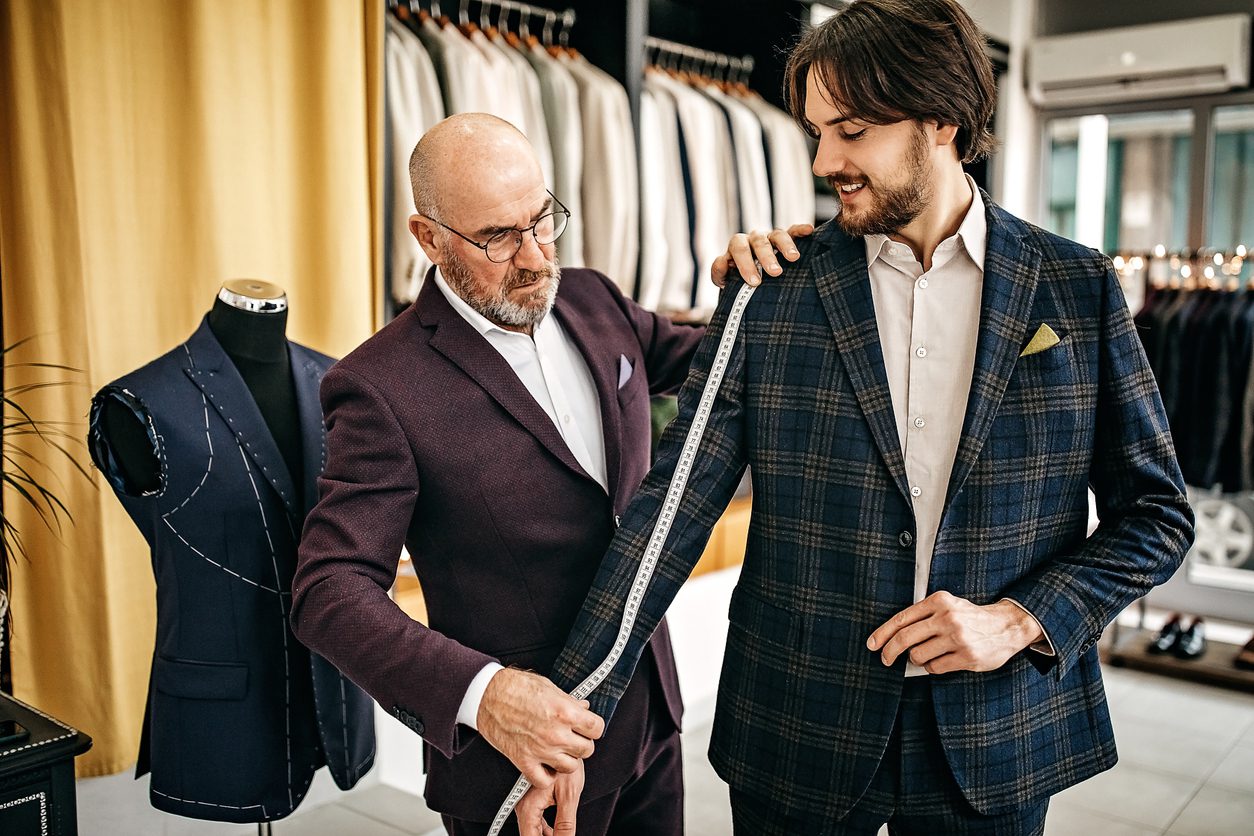
True fit is more than wearing the right size; it's about how fabric meets the body with the right ease and movement. Start with accurate measurements and then check key checkpoints: shoulder seams should sit at the shoulder bone; sleeves should allow full reach without pulling; and the torso should skim, not cling or balloon. In bottoms, assess the rise, seat, and thigh before looking at length. The waistband should hug comfortably without digging, while the drape falls clean. Try the sit test, the reach test, and the walk test to confirm mobility. Choose stretch intentionally—enough for comfort, not so much that the garment bags out. Seek pieces with shaping seams, darts, or panels that follow your architecture. If an item is nearly right, small tailoring tweaks—like taking in the waist or shortening a sleeve—can perfect it. When fit supports your posture and movement, your clothes feel like an extension of you, removing distraction and amplifying poise.
Balancing Tops and Bottoms
Dress with balance by pairing volumes thoughtfully. If your top is roomy or textured, choose a sleeker bottom; if your pants are wide or fluid, go for a more fitted or cropped top. This push-pull of volume keeps the silhouette clear. Experiment with tucks—full, half, or French—to refine the waist and shorten or lengthen the torso visually. Cropped jackets emphasize the waist and complement high rises; longer layers work beautifully over slim trousers to create continuous vertical lines. Mind sleeve fullness: a statement sleeve pairs best with a streamlined skirt or tailored trouser. Belts, waist-cinching details, and peplums can define shape, while A-line skirts and wide-leg pants add movement without clinging. Consider footwear scale; chunkier soles balance heavier fabrics, while delicate shoes lighten dense looks. Even your bag matters: a structured medium-size bag grounds volume, while a small crossbody keeps a sleek outfit minimal. These subtle calibrations result in a look that feels intentional, modern, and proportioned.
Strategic Use of Color and Pattern
Color and pattern are precision tools for proportion. A monochrome outfit elongates, while a high contrast break at the waist can shorten or segment the body. Darker tones visually recede; lighter hues advance and highlight. Use this to direct attention: place lighter or brighter colors where you want emphasis. Vertical stripes lengthen; diagonals add energy; and micro prints can refine, while larger motifs add presence. Keep pattern scale in harmony with your features—smaller prints for delicate details, bolder prints when you want impact. Strategic color blocking can carve shape, imitating the effect of darts without sewing. Texture also shapes perception: matte surfaces slim and quiet, while sheen expands and attracts the eye. Mix smooth fabrics with knits or nubbly weaves to create depth without bulk. Echo color lightly—shoes to bag, scarf to topstitching—to unify the composition. Done thoughtfully, color and pattern become silent stylists that sculpt and streamline your overall silhouette.
Tailoring, Fabrics, and Structure
The difference between good and great often comes from tailoring and fabric choice. Small alterations—hemming trousers to the right break, nipping a waist, cleaning a shoulder line, or tapering sleeves—sharpen structure and ensure lines fall as intended. Consider fabric behavior: crisp cottons, twills, and suiting hold shape and define contours; fluid crepes, jerseys, and silk blends drape and soften. Heavier textiles can anchor volume; lighter ones layer without thickness. Assess recovery and resilience so knees, elbows, and seats don't bag. Lining can improve glide and durability, while interfacing in collars and waistbands adds control. Mind shrinkage, pressing requirements, and care practices to preserve fit over time. Choose garments with thoughtful construction—strategic darts, side panels, and set-in sleeves—to mirror your form. When material and make align with your needs, the garment flatters from every angle, moving with you rather than against you, and reinforcing a polished, balanced presence.
Confidence Through Consistency
Confidence grows when you develop a consistent style formula that respects your proportions. Identify your best rises, necklines, jacket lengths, and skirt shapes, then repeat them across seasons and occasions. Create outfit templates—like fitted top + wide-leg trouser + cropped jacket, or fluid blouse + A-line skirt + structured belt—to simplify decisions. Build a capsule of pieces that mix easily, keeping an eye on compatible lengths, volumes, and colors. Before leaving, do a quick proportion check: front, side, and back. Notice where the eye lands first; if it's not where you want, adjust a tuck, swap shoes, or add a grounding accessory. Prioritize comfort that supports posture and movement; ease communicates assurance. Edit your closet so every item earns its place, and take reference photos of combinations that work. Over time, your eye sharpens, your routine speeds up, and your presence feels effortless—proof that good fit and thoughtful proportion translate directly into everyday confidence.