Fuel Your Training: Practical Nutrition for Active Lifestyles
Power your workouts with simple, evidence-based nutrition: smart macros, timing, hydration, and meal ideas to train harder and recover faster.
Smart Energy Foundations
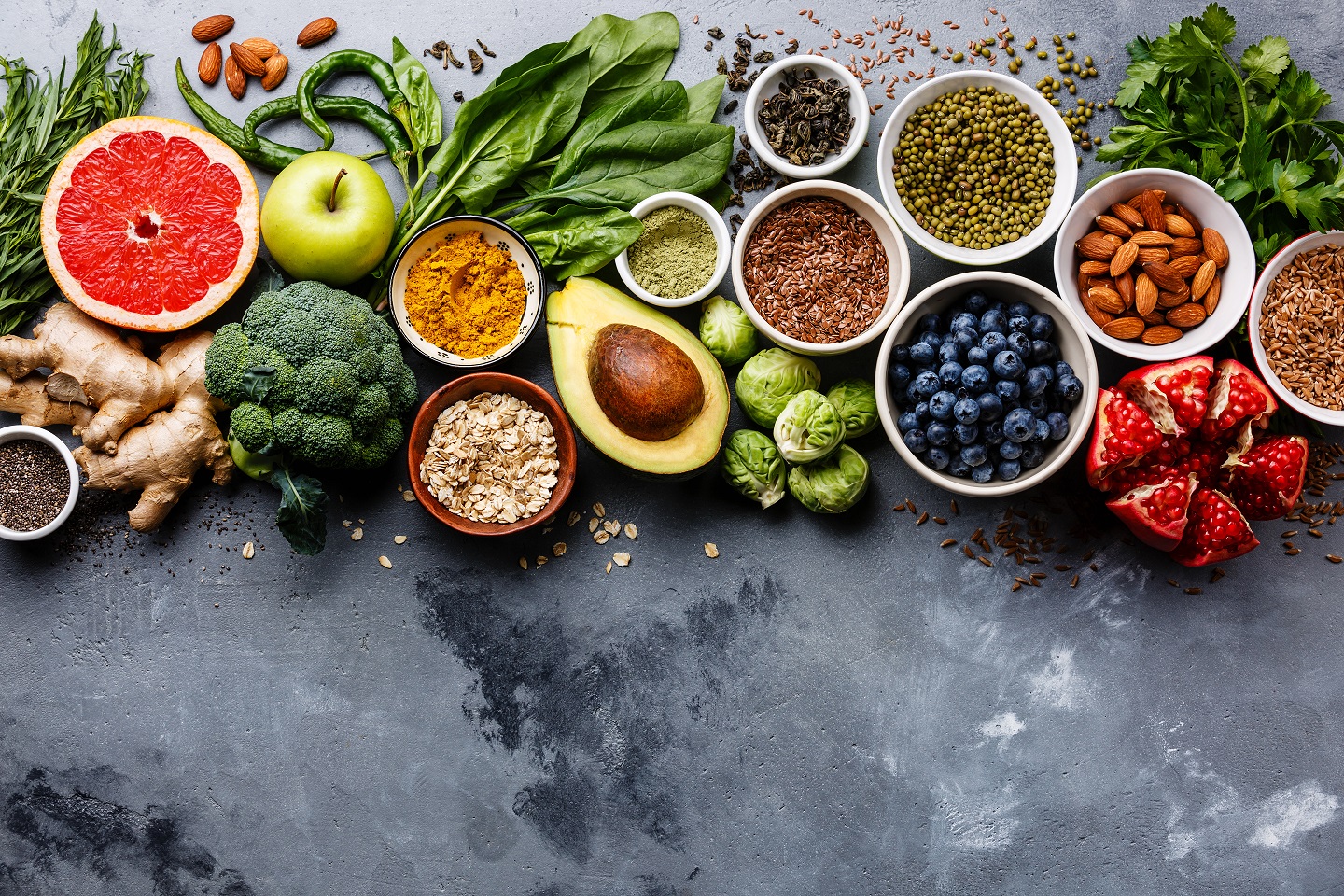
Active bodies run on a blend of carbohydrates, protein, and healthy fats, and the right mix helps you train harder, recover faster, and feel better day to day. Think of carbohydrates as primary fuel for high-intensity efforts and longer sessions because they top up muscle glycogen. Protein supports muscle repair, immune function, and satiety; aim to include it at each meal to smooth energy and curb cravings. Healthy fats from sources like nuts, seeds, olive oil, and oily fish provide long-lasting energy, support hormones, and help absorb fat-soluble vitamins. Build most plates with a foundation of colorful produce for micronutrients and fiber, add a palm or two of lean protein, and include a cupped handful of whole grains or starchy vegetables for steady fuel. Adjust portions to training load: heavier endurance or speed days usually call for more carbs, while lighter or rest days can dial back starch and lean into produce. This approach balances energy availability with performance and body-composition goals.
Timing That Powers Sessions
When you eat can be as important as what you eat. A balanced pre-workout meal 2–3 hours before training should emphasize easy-to-digest carbohydrates, a moderate amount of protein, and limited fat and fiber to keep your stomach calm. Examples include oatmeal with banana and yogurt, or rice with eggs and vegetables. About 30–60 minutes before, a small top-up snack—like a piece of fruit, a granola bar, or toast with honey—keeps blood glucose steady. For sessions longer than about an hour, especially if they're intense, consider small, frequent intakes of quick carbohydrates and electrolytes to maintain pace and reduce perceived effort. Test strategies during practice, not on big days, to fine-tune tolerance. Light to moderate caffeine can help focus and drive, but timing and dose should be personal to avoid jitters or sleep disruption. After training, shift to recovery nutrition promptly to protect adaptations and set up the next workout.
Hydration And Electrolytes
Performance drops quickly when hydration lags, affecting heart rate, body temperature, and decision-making. Start each day by rehydrating, then sip fluids consistently rather than chugging irregularly. Use simple cues: pale-lemon urine often indicates good hydration, while dark amber suggests you need more. During workouts, tailor intake to sweat rate, climate, and intensity. If you finish noticeably lighter than you started, you likely need more fluids and electrolytes, especially sodium, which helps your body retain water and maintain nerve and muscle function. Potassium, magnesium, and calcium also support muscle contraction. In hot or humid conditions, include electrolyte-rich drinks or add a pinch of salt to foods to reduce cramping risk and sustain output. For shorter, easy sessions, water may suffice; for longer or high-intensity training, combine fluids with carbohydrates. Practice your plan so your gut adapts alongside your fitness. Remember, hydration is a 24/7 habit, not just something you address on training days.
Recovery That Builds Adaptation
Training breaks tissue down; smart recovery builds it back stronger. Within a couple of hours post-session, combine protein and carbohydrates to replenish glycogen and kick-start repair. A general guide is 20–40 grams of high-quality protein plus a hearty serving of carbs, adjusted to body size and session demands. Think smoothies with milk, berries, and oats; rice bowls with chicken and vegetables; or Greek yogurt with fruit and granola. Add colorful produce for antioxidants and polyphenols that help manage training stress without blunting adaptation when used in food form. Include fluids and electrolytes if you sweated heavily. Don't overlook sleep—it's the ultimate performance enhancer—so anchor a calming evening routine and a consistent schedule. On heavy strength days, ensure adequate protein across the day, spreading it over three to four meals for better muscle protein synthesis. Gentle movement, mobility work, and a short walk can also accelerate circulation and reduce soreness between sessions.
Micronutrients And Gut Resilience
Behind the scenes, micronutrients power metabolism, oxygen delivery, and recovery. Iron supports red blood cell production; low levels can sap endurance and focus. Calcium and vitamin D reinforce bone strength, critical for runners and lifters alike. B vitamins help convert food to usable energy, while magnesium assists muscle relaxation and sleep quality. Build variety: leafy greens, legumes, seeds, citrus, dairy or fortified alternatives, eggs, and lean meats or tofu cover many bases. For plant-focused athletes, prioritize iron-rich legumes, whole grains, and dark greens paired with vitamin C sources to boost absorption. Your gut is a performance organ, too. Feed it with fiber, prebiotics from foods like onions, garlic, and bananas, and probiotics from fermented options to support digestion, immunity, and nutrient uptake. Before intense sessions, choose lower-fiber, lower-fat options to minimize distress. Keep a simple food-and-feel log to spot patterns that aid training and flag triggers worth adjusting.
Practical Planning For Consistent Wins
Consistency turns good ideas into results. Build a simple meal prep rhythm: shop with a plan, batch-cook proteins and grains, wash and chop produce, and stock quick add-ins like nuts, seeds, and frozen berries. Create a few go-to plates that scale with training volume, swapping portions of carbohydrates, protein, and healthy fats as your week intensifies or tapers—this is nutrition periodization in action. Pack smart snacks for work, travel, or trails to avoid long gaps without fuel: fruit, yogurt, trail mix, jerky, whole-grain crackers, and portable sandwiches all work. Read labels to spot added sugars and excess sodium, but remember the context—salty foods can help on high-sweat days. If you use supplements, be selective, aim for quality, and focus on filling genuine gaps rather than chasing quick fixes. Most importantly, track progress by performance, energy, mood, and recovery. Adjust gradually, stay flexible, and let habits—not hype—drive your active lifestyle forward.