How to Choose Fabrics That Feel as Good as They Look
Discover how fiber, weave, weight, and finish affect comfort. Shop smarter with touch tests, fit tips, and care cues for skin-friendly style.
Know Your Fibers
Start with the foundation: fiber content determines how a fabric feels, breathes, and wears. Natural fibers like cotton, linen, silk, and wool usually offer excellent comfort because they manage moisture and temperature well. Cotton is soft and familiar; linen feels crisp and cooling with beautiful texture; silk glides over skin with elegant luster; and wool insulates while still allowing airflow. Regenerated cellulose options such as viscose, modal, and lyocell are made from plant sources and often feel smooth, drapey, and breathable. Synthetics like polyester and nylon bring durability, wrinkle resistance, and strength, though they can run warmer and sometimes trap odor. Blends combine the best traits: a cotton–poly mix can be softer and easier-care, while a wool–lyocell blend can temper itch and add fluidity. Consider skin sensitivity too; coarser fibers may feel prickly, while finer gauges are gentler. Knowing the difference between natural, regenerated, and synthetic fibers helps you match tactile preferences with performance needs.
Weave, Knit, and Construction
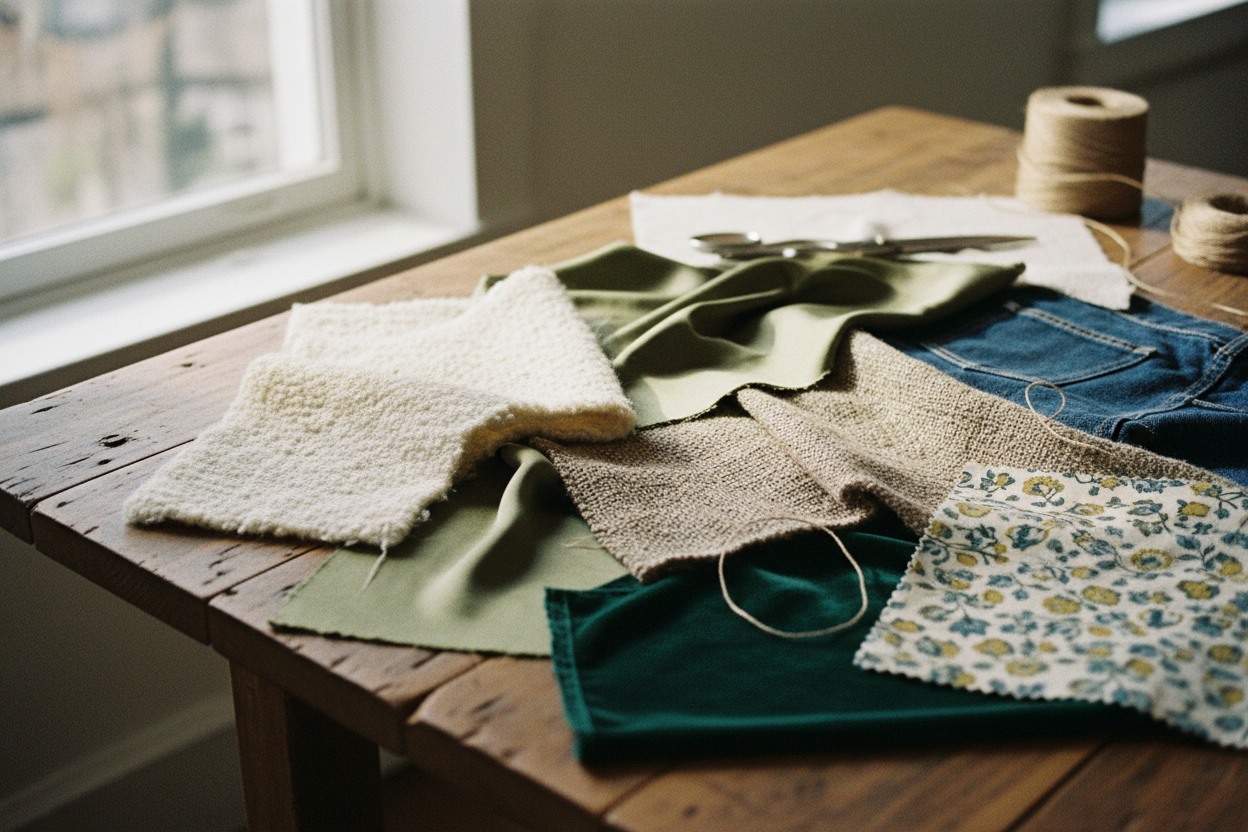
How yarns are built into fabric shapes comfort as much as fiber does. A weave interlaces yarns: plain weaves feel balanced and crisp; twill weaves (think diagonal ribs) deliver durability and a supple bend; satin weaves create sheen and fluid glide. Pile constructions like velvet or corduroy add plush depth, while brushed surfaces increase softness and warmth. A knit loops yarns for built-in stretch and softness: jersey is flexible and light, rib clings and recovers, and interlock feels smooth and supportive. Nonwovens and felts add unique structure but can be warm with limited airflow. Pay attention to density and fabric weight; a denser cotton poplin may feel cooler and crisper than a loosely knitted polyester that traps heat. Do not be swayed by thread-count myths alone; real comfort stems from the interplay of construction, yarn size, and finishing. When you understand weave and knit types, you can predict drape, breathability, and tactile character before you even try a garment on.
Feel, Drape, and Movement
A fabric's handfeel and drape decide whether it glides, clings, or floats. Some materials are structured, holding shape for sharp silhouettes that skim the body rather than hug it. Others are fluid, cascading with movement for dresses, blouses, and relaxed pants. Matte textures read understated and often feel soft and velvety, while lustrous surfaces feel sleek and cool to the touch. If cling bothers you, look for anti-static properties or use garments with linings or inner slips that let fabric slide instead of grip. Lightweight, airy fibers can flutter beautifully but may feel insubstantial; midweight options balance flow with coverage. For tailored pieces, a fabric with body keeps seams crisp and avoids rumpling. For draped styles, prioritize softness, flexibility, and liquid motion. Always consider how the garment will move in real life: sitting, walking, reaching. The right drape aligns with your silhouette goals and daily activities, ensuring beauty that matches genuine all-day comfort.
Breathability and Moisture Management
True comfort hinges on airflow, absorbency, and moisture-wicking behavior. Breathable fabrics let heat escape and fresh air circulate, keeping skin dry and cool. Cotton and linen absorb moisture well; they can feel cooler in heat but may stay damp longer. Some regenerated cellulose fibers balance absorption with quicker release, maintaining a pleasant microclimate. Certain synthetics excel at wicking, pulling sweat off skin so it evaporates faster, a perk during active days, though they may retain odors if not well finished. Construction matters: open weaves, mesh, or subtle eyelets increase ventilation, while textured weaves like seersucker lift fabric off skin to create air pockets. Consider the setting. For warm commutes and indoor offices, aim for breathable blends that manage humidity without clinging. In cooler conditions, look for insulating layers that still allow vapor to pass, preventing that clammy feel. Prioritize fabrics that balance breathability, dry-time, and odor control so your clothes feel as fresh as they look.
Stretch, Recovery, and Fit
Comforty fit depends on stretch and recovery. Knits offer mechanical stretch thanks to their looped structure, moving easily with your body. Wovens can gain flexibility from elastane or by cutting on the bias, offering give without sacrificing polish. Evaluate recovery by gently stretching the fabric and watching how quickly it snaps back. Good recovery resists bagging at elbows, knees, and seat. For everyday wear, choose comfort stretch that supports natural motion without feeling tight; for active or close-fitting styles, a firmer power stretch can contour while remaining breathable. Notice stretch direction: crosswise stretch improves mobility in fitted skirts or trousers, while lengthwise stability helps garments keep shape. More stretch often increases sheerness under tension, so consider weight and lining for coverage. If prints or textures distort when stretched, size and styling may need adjustment. Prioritize a balance of give, support, and shape retention to achieve flattering lines that feel effortless.
Care, Durability, and Pilling
How a fabric lives after purchase matters. Evaluate care instructions, durability, and resistance to pilling before committing. Natural fibers may shrink if exposed to high heat, so prewash similar swatches or choose finishes that temper shrinkage. Synthetics dry quickly and resist wrinkles but can be heat-sensitive; lower temperatures protect texture and drape. Look for clues to abrasion resistance: tight weaves and longer, smoother fibers tend to pill less than fuzzy, short-staple yarns. Conduct a quick rub test by brushing the fabric against itself; if fuzz appears immediately, expect wear sooner. Delicate weaves can snag, so avoid rough accessories and consider garments with protective linings. Check colorfastness by dabbing a damp light cloth on an inside seam. If you prefer low-maintenance wardrobes, prioritize wrinkle-resistant constructions and blended fibers that launder well. Choosing fabrics aligned with your laundering habits preserves softness, shape, and finish, ensuring your pieces keep feeling luxurious through countless wears.
Sensory Testing and Smart Shopping
Your senses are powerful tools for predicting comfort. Perform a simple crumple test: squeeze a corner in your hand, release, and see how wrinkles behave. For coverage, hold fabric to the light for a quick sheerness check. Drape it across your forearm to gauge flow and weight; if it pools elegantly without clinging, it will likely skim the body. Try a gentle stretch-and-return test to assess recovery. If possible, press the fabric to your lips or cheek for a fast read on temperature and smoothness. When shopping online, study fiber content labels, fabric weight, and construction notes, and consider ordering swatches for touch verification. Build a personal fabric vocabulary over time: note which weaves, knits, and fiber blends you consistently enjoy. Create a short checklist—breathability, drape, stretch, care, and durability—and use it to compare options. With mindful testing and clear criteria, you will choose fabrics that look elevated and feel incredible from morning to night.