Mobility Matters: Simple Routines for Flexible, Pain-Free Movement
Simple daily mobility routines to restore range, ease stiffness, and keep you moving pain-free—at your desk, in the gym, and everywhere between.
Why Mobility Matters
Mobility is the foundation of athletic performance and daily comfort. When your joints glide through a healthy range of motion, muscles share load efficiently, posture improves, and your body moves with ease. Good mobility supports everything from walking the dog to setting a new gym personal best, and it helps reduce the nagging stiffness that steals energy from your day. Think of it as the bridge between flexibility and strength: you are not only able to reach positions but also control them. That control improves proprioception and joint resilience, making slips, trips, and awkward twists less costly. A simple routine that blends dynamic movement, intentional breathing, and gentle end-range work lubricates joints, nourishes tissues, and calms protective tension. As you practice, small wins accumulate: deeper squats feel natural, shoulders open, and lower backs relax. The key is consistency. With just a few dedicated minutes, you can build a durable foundation for pain-free movement that supports an active, confident life.
Start With A Smart Warm-Up
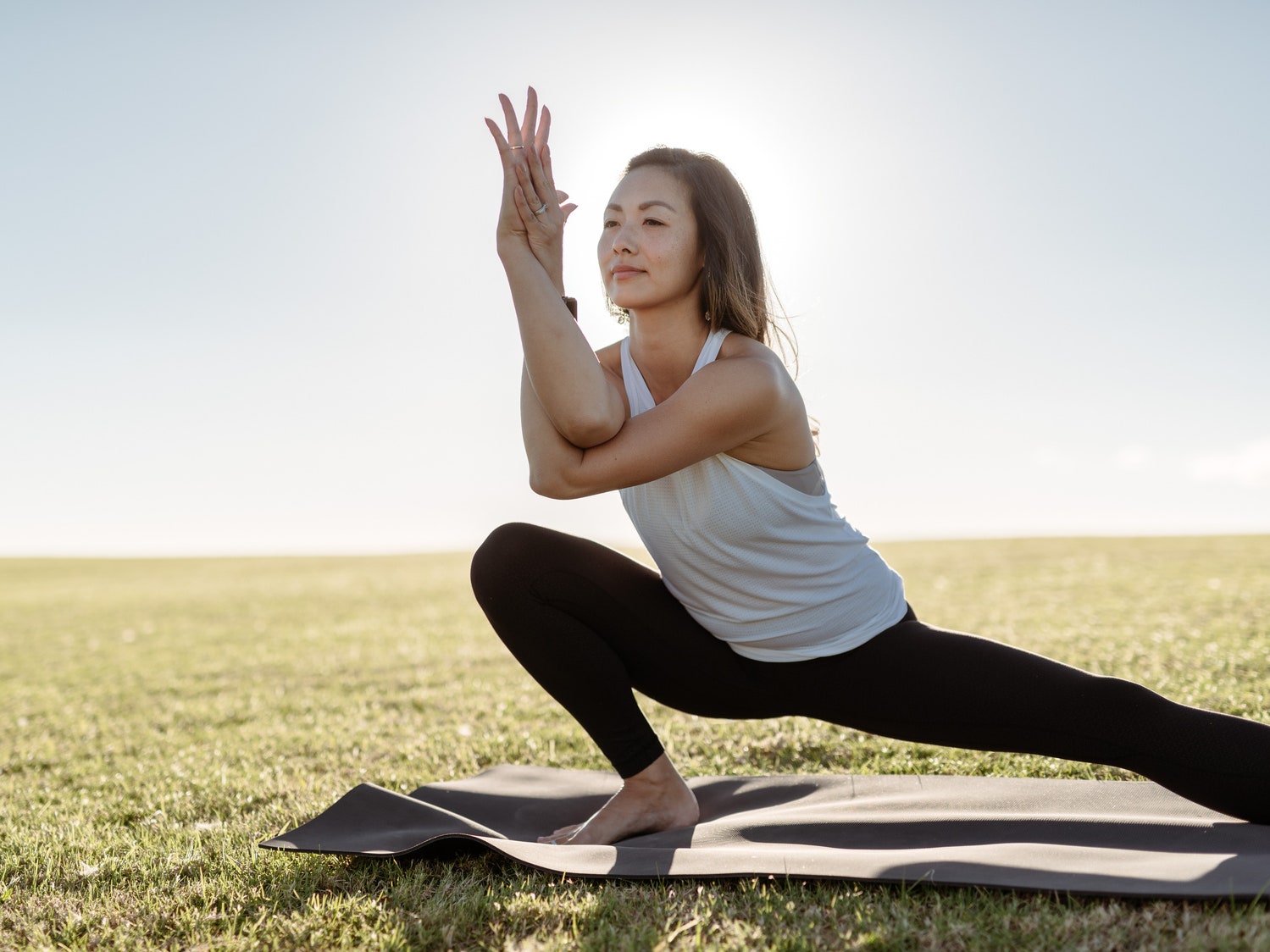
A smart warm-up primes your system, turning stiffness into smooth action. Begin with breath-led movement: inhale through the nose, expand the ribs, and exhale to lightly brace the core. Flow from the neck down—gentle neck nods, shoulder rolls, and scapular circles—to wake up the upper body without strain. Add spinal articulation through controlled cat-cow motions and segmental roll-downs, building awareness from head to tailbone. For hips, use light hip circles and 90/90 transitions, then mobilize ankles with slow pumps and calf raises to prepare your feet for stable contact. Keep it dynamic, moving through ranges rather than holding long stretches. Aim for smooth tempo, relaxed jaw, and steady breathing to mobilize synovial fluid and warm tissues. In a few minutes, you will feel more spring in your step, more room in your shoulders, and a more responsive core. This brief ritual sets the tone for safe, effective training and productive daily movement.
Essential Joint Work
To build lasting mobility, focus on the big three: spine, hips, and shoulders. Start with controlled articular rotations (CARs)—slow, precise joint circles that explore available range without compensation. For the spine, practice thoracic rotations and side bends, keeping the pelvis quiet to teach true segmental control. For hips, use 90/90 switches, hip flexor glides, and gentle end-range holds to open front, side, and back lines. Add hamstring sliders or toe reaches with a neutral spine to lengthen the posterior chain while preserving control. For shoulders, try towel pass-throughs, wall slides, and scapular CARs to coordinate blades and arms. Sprinkle in isometrics at end range—light, steady tension for several breaths—to build end-range strength where it matters most. Move deliberately, avoid rushing, and keep effort at a moderate level. Over time, your joints will learn to own new ranges, making your movement patterns more powerful, efficient, and naturally injury-resistant.
Movement Snacks For Busy Days
Long hours sitting can make hips clamp down, shoulders round, and the neck complain. Counter this with frequent movement snacks: small breaks that refresh posture and circulation. Stand up and reset with chin tucks, shoulder blade squeezes, and gentle neck rotations, keeping the chest tall. Open the front of the body with a doorway pec stretch, then step into a light lunge to mobilize the hips, squeezing the glute of the back leg to reduce tension at the front of the hip. Add ankle rocks against a wall or desk to improve dorsiflexion, which supports better squats and softer landings. A slow spinal reach—arms overhead, side bend, and rotate—restores length through the torso and boosts alertness. Keep each snack under a minute, and repeat often. Pair these with simple ergonomics: feet flat, hips open, screen at eye level, and ribs stacked over pelvis. Small, consistent inputs keep tissues hydrated, reduce stiffness, and sustain pain-free productivity.
Recover To Grow More Mobile
Mobility is trained during sessions and consolidated during recovery. After workouts or long days, use gentle static stretching to signal calm to the nervous system. Choose positions that feel accessible, then breathe slowly to encourage parasympathetic relaxation and increased stretch tolerance. Try contract-relax work—light tension followed by release—to teach tissues to lengthen while staying strong. Layer in yielding isometrics at newly gained range, holding low to moderate effort for a few breaths. Warm showers, easy walks, and mindful breathing promote tissue hydration and circulation, further supporting change. Hydrate, include colorful whole foods, and aim for regular sleep rhythms to give your body the building blocks it needs. Consider gentle self-massage with a ball or foam roller to reduce tone around sensitive spots, but keep pressure comfortable. Recovery is not a luxury; it is the multiplier for your effort, turning practice into lasting, usable mobility.
Stability Makes Mobility Useful
True freedom of movement blends mobility with stability—the control to steer new ranges under load. Train the feet as your foundation: feel the foot tripod (big toe, little toe, heel) and grip the ground lightly. Practice a single-leg hinge to groove hip coordination, keeping a long spine and active glute on the standing side. Sit into a deep squat and pry gently with elbows to open hips, then hold the bottom while bracing the core for a few breaths. For shoulders, practice anti-rotation drills like dead bugs or plank shoulder taps, resisting movement through the trunk while arms travel. Add slow overhead reaches maintaining rib-to-pelvis connection to stabilize the midline. These drills teach motor control, aligning joints and distributing load evenly. As stability improves, you can access new range without collapse, transfer force efficiently, and move with confidence in sport, training, and everyday tasks.
Make It Stick For Life
Lasting change comes from intentional practice and simple systems. Choose a minimum effective dose you can repeat—perhaps a brief warm-up in the morning and a focused routine several times a week—then protect it like an appointment. Track a few test–retest markers: deep squat depth, ankle knee-to-wall distance, shoulder overhead reach, or an easy spinal rotation. Celebrate small wins, and progress by adding a breath or inch of controlled range rather than chasing extremes. Let breath set the pace: slow inhale to explore, smooth exhale to relax and own the position. If discomfort spikes or form fails, dial back and regress to a range you can control. Consistency beats intensity; sustainability turns drills into a durable ritual. When life gets busy, lean on movement snacks and a condensed warm-up to keep momentum. Over weeks, you will stand taller, move freer, and carry your mobility into every part of your active, pain-free day.