Move More, Feel Better: Fun Ways to Stay Active at Home
Turn your living room into a feel-good fitness zone with playful, equipment-free moves that boost energy, mood, and strength—no gym required.
Energize Your Mornings: Start your day with a gentle wake-up flow that tells your body and brain it is go time. Before coffee, stand tall, take five slow breaths, and rotate your ankles, knees, hips, wrists, and shoulders in smooth circles. March in place, roll down through the spine, then reach overhead as if you are pulling a window shade. Add 10 slow squats, a light hip hinge, and a supported plank at the counter for 20 to 30 seconds. Keep movements controlled, joints stacked, and your core braced. Pair the routine with a favorite playlist or the first glass of water to create consistency through simple cues. Just 10 to 15 focused minutes elevates energy, improves mood, and primes posture for the day. If mornings feel rushed, split the sequence: five minutes before breakfast, five after you get ready. The goal is not perfection; it is showing up daily, moving with curiosity, and setting a confident tone from the start.
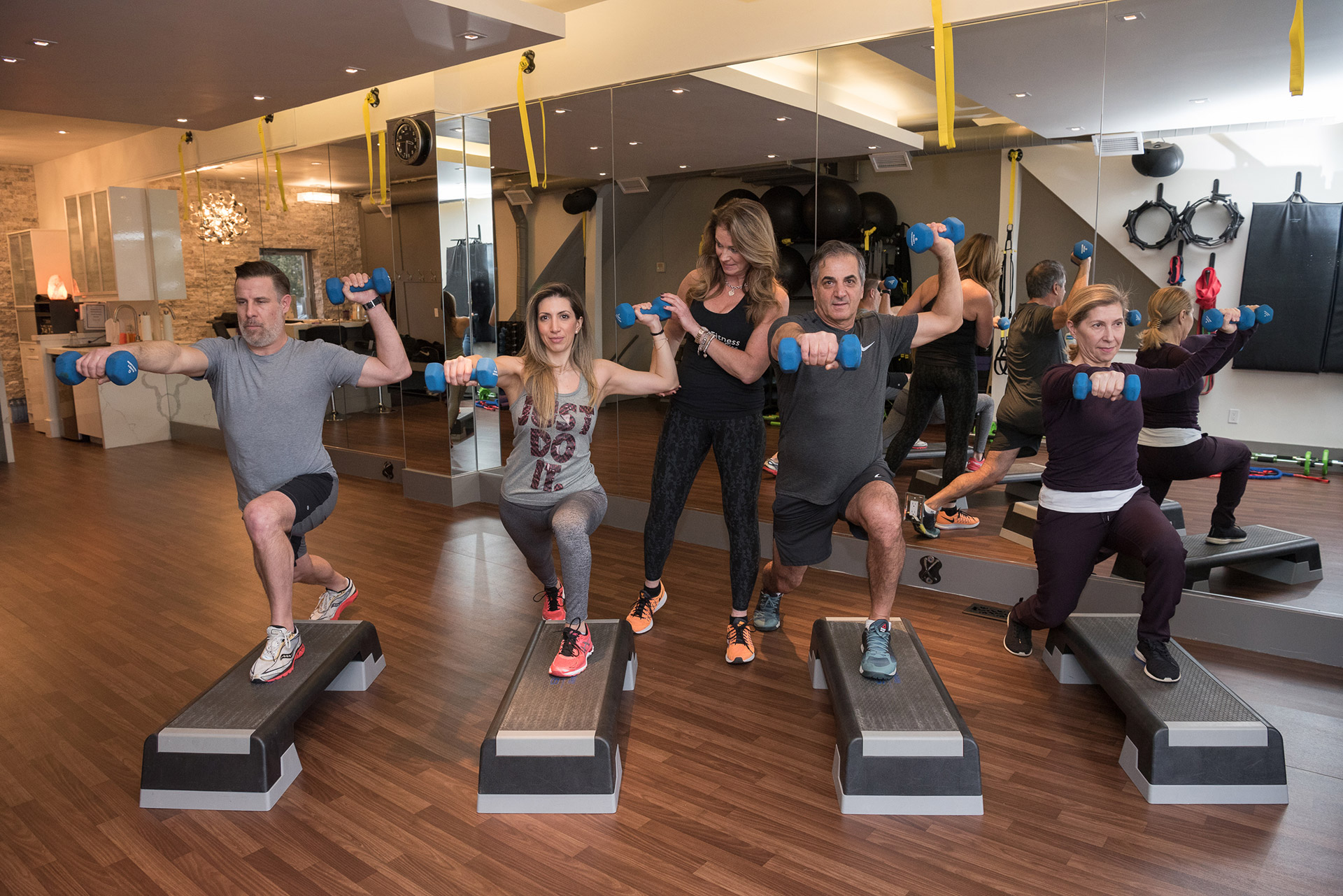
Turn Chores into Training: Reframe everyday tasks as a stealth workout by using habit stacking. While the kettle heats, hold a wall sit and practice steady nasal breathing. Brush your teeth on tiptoes for slow calf raises. Fold laundry in deep hip-hinge positions, adding a squat every few items. Vacuuming becomes moving lunges; carrying groceries turns into a farmer carry that builds grip and core stability. Even making the bed can include walking planks across the mattress edge for shoulder engagement. These micro-sessions boost NEAT — non-exercise activity thermogenesis — the quiet calorie burn that accumulates through daily movement. Keep your spine long, knees tracking over toes, and shoulders relaxed. To stay motivated, post a small scorecard on the fridge: tally squats, lunges, and minutes stood. The result is a tidier home, a stronger body, and a mindset that finds opportunity in the ordinary, proving that structure and spontaneity can work together beautifully.
Dance It Out: Turn up a favorite song and turn your living room into a stage for joyful cardio. Dancing raises your heart rate, lifts your mood, and unlocks creativity. Try a simple interval: two upbeat tracks to elevate intensity, followed by one slower tune for recovery and mobility. Keep knees soft, land light on the feet, and engage your core to support the lower back. Freestyle or follow a playful sequence: step-touch, grapevine, hip sway, arm reach, spin, repeat. Add props like a towel for rhythmic arm patterns or a scarf to encourage bigger, more expressive movements. Solo sessions offer mindfulness; family or roommate dance-offs add camaraderie and laughter. If time is short, a single song can shift energy fast. For extra burn, add mini squats during choruses and balance holds during bridges. The key is permission to be imperfect. Let rhythm lead, smile often, and celebrate the sweat that comes from moving without judgment.
Bodyweight Strength, Big Results: Build a reliable home circuit that uses compound movements to train multiple muscles at once. Start with a warm-up, then rotate through push-ups, squats, hip hinges, rows using a towel looped around a sturdy post, and a plank variation. Aim for controlled reps, focusing on tempo: three seconds down, one second up to increase challenge without extra equipment. Progress by elevating feet for push-ups, adding a backpack for squats, or pausing mid-rep to build time under tension. Try simple formats like AMRAP, doing as many quality rounds as possible in a set time, or EMOM, starting a new move every minute. Keep rest short and purposeful; shake out tension and reset posture. This approach boosts strength, endurance, and confidence in daily tasks. As you adapt, mix in single-leg work, glute bridges, and side planks for balanced stability. Remember, form beats speed, and small, repeatable wins compound into lasting results.
Stretch, Mobilize, Recover: Flexibility and mobility support every other goal by protecting joints and improving range of motion. After activity, flow through cat-cow, thread-the-needle, and gentle thoracic rotations to untwist desk-bound stiffness. Open hips with 90-90 switches, a couch stretch, and seated figure-four. Release calves and hamstrings with a forward fold, keeping a long spine and soft knees. For chest tightness, use a doorway pec stretch; for shoulders, try controlled circles and wall slides. If you lack tools, a tennis ball works as a mini-massager for feet and glutes. Pair each stretch with calm exhalations, visualizing space around joints. Recovery is not an afterthought; it is the bridge to tomorrow's session. Hydrate, add a light protein-rich snack if needed, and wind down with dimmer lights. Ten mindful minutes can reset your body, calm your mind, and help you wake up ready to move again with comfort and confidence.
Mindful Movement Breaks: When days get busy, sprinkle micro-breaks to refresh focus and circulation. Set gentle timers to stand every hour, then perform one to two minutes of movement: desk squats, wall push-ups, or marching with high knees. Add posture resets by drawing shoulder blades down and back, lengthening the crown of your head, and relaxing your jaw. Try quick mobility snacks: wrist circles, neck glides, ankle rocks, and eye shifts that look near and far to ease screen strain. Balance drills sharpen concentration; stand on one leg while brushing your hair or practice heel-to-toe walks across the hallway. Finish each break with three slow breaths, inhaling wide into the ribs and exhaling to engage the deep core. These brief pauses reduce stiffness, brighten energy, and prevent the all-or-nothing trap. Over time, the clock becomes a friendly cue, reminding you that small choices, repeated often, build strength and resilience without overhauling your entire schedule.
Make It Stick: Consistency thrives on smart design. Write an if-then plan that ties movement to existing anchors: if I start the coffee, then I do ten counter push-ups. Reduce friction by laying out a mat, filling a water bottle, and cueing a playlist the night before. Track streaks with a calendar or jar of paper clips to visualize commitment. Celebrate tiny wins, not just milestones; a two-minute stretch still counts. Add accountability through a buddy text or a family challenge. Gamify with points for variety, effort, and recovery to keep momentum playful. Rotate themes like strength, cardio, mobility, and rest so your week feels fresh and balanced. Listen to your body, scale intensity, and respect sleep as the bedrock of progress. Over time, these choices shape a sustainable routine that fits your lifestyle, fuels confidence, and proves that moving more at home can feel natural, joyful, and completely doable.