Smart Grocery Shopping Tips for Busy Home Cooks
Streamline your grocery runs with smart planning, savvy list-building, budget hacks, and time-saving tactics tailored for busy home cooks.
Strategic Meal Planning
Busy home cooks thrive on structure you can actually keep. Start with a simple weekly framework that anchors meal planning to your real calendar, noting late workdays, kids activities, and nights reserved for quick reheats. Build around theme nights like pasta, tacos, bowls, or sheet-pan dinners to simplify decisions while keeping variety. Choose two flexible proteins and two high-yield vegetables that can cross over multiple meals, then plan intentional leftovers for lunches or a second dinner. Pair recipes by shared ingredients so half a bunch of cilantro or a tub of greens never languishes. Keep a short list of default dinners you can cook from muscle memory, and rotate in one new recipe to stay inspired without overloading. Let seasonal produce guide menus for peak flavor and value. Finally, budget your time with time boxing: one prep block, two quick-cook nights, one low-effort slow cook, and one pantry rescue. With this rhythm, your plan adapts instead of collapsing under pressure.
Smarter Shopping Lists
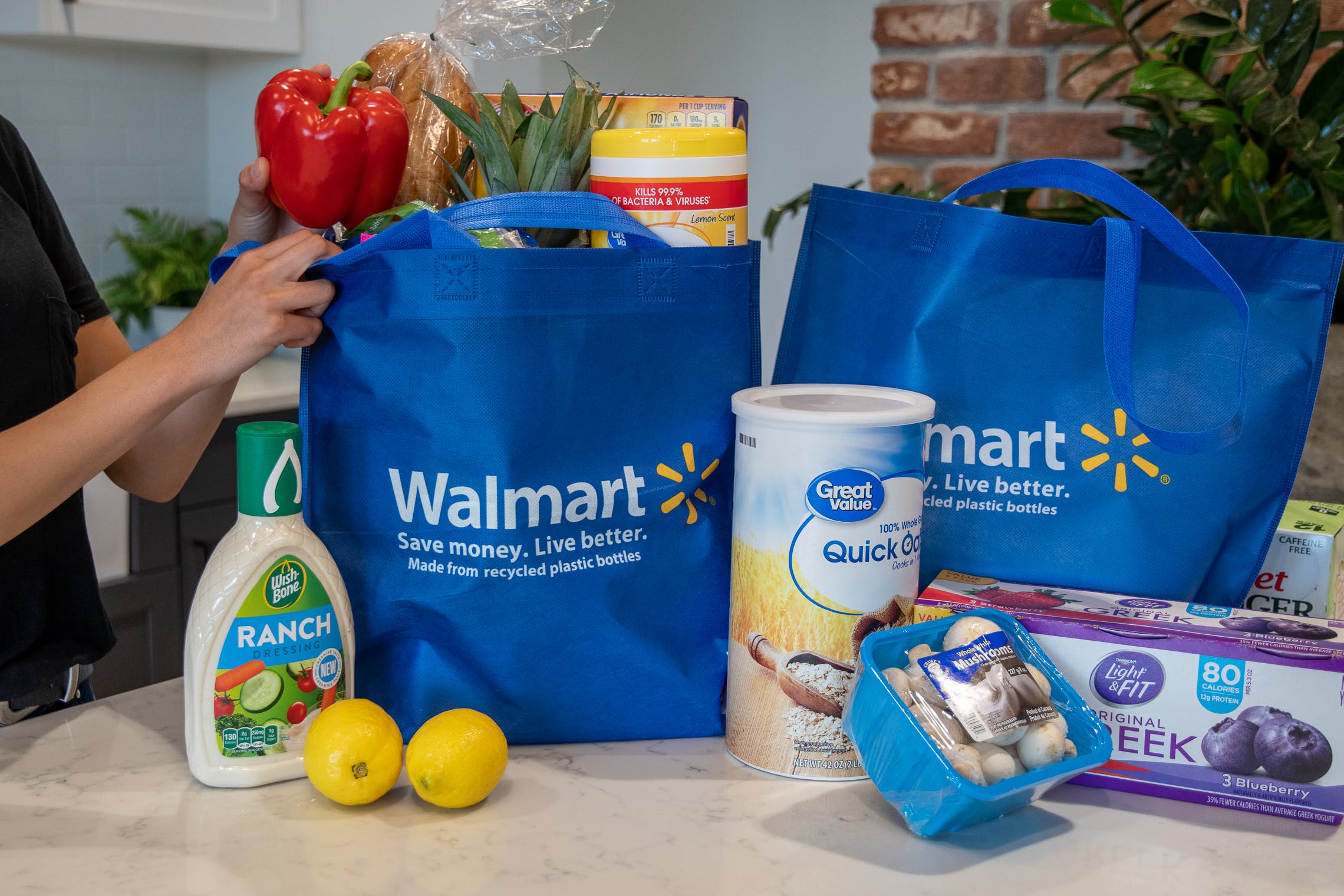
A smart list is more than items scribbled in a hurry. Organize by store section to mirror your route: produce, dairy, meat and seafood, pantry, frozen, household. Before adding, scan your kitchen inventory and set simple par levels for staples like eggs, rice, canned tomatoes, and beans so you restock proactively, not reactively. Write specifics that prevent last-minute guesswork: brand or store brand acceptable, size, and quantity cues like two cans for chili night plus one for the pantry. Group ingredients by meal bundles to reduce forgotten components. Add smart substitutions in parentheses to stay flexible when an item is out or pricey. Include a small buffer category for genuine needs that arise, but flag anything tempting as a nonessential to minimize impulse buys. If you share shopping, keep a live list on the fridge or phone so updates stick. The goal is clarity you can act on quickly, even when the store is busy.
Efficient Store Strategy
Make the store work for you with a streamlined route and timing. Shop the perimeter first for produce, proteins, dairy, and eggs, then dive into interior aisles with a targeted plan, avoiding unnecessary browsing. Go with a snack or coffee so hunger does not steer choices. Use a basket for quick trips to discourage overfilling; switch to a cart only when you truly need volume. Start with produce that is hardy, then grab delicate greens and berries near the end to protect them. Compare options at eye level, but always glance high and low for value. If timing is tight, consider pickup or curbside for heavy basics and walk in only for fresh items you want to handpick. Batch errands by mapping stores that are on your route home to cut travel time. Keep your phone ready for list checks and quick substitutions, not social scrolling. A crisp in-and-out approach preserves energy for cooking, where it really counts.
Price and Label Savvy
Stretch your budget without sacrificing quality by mastering unit pricing and labels. Always compare price per ounce or per count across sizes; the biggest package is not always the best value. Try store brands for staples like oats, yogurt, and broth, then upgrade where you truly taste a difference. Scan nutrition labels for added sugars and sodium, especially in sauces, broths, and frozen meals. Shorter ingredient lists often signal minimal processing; choose whole grains when possible. Weigh promotions thoughtfully: buy one get one deals are helpful only if you will use both before expiration or have freezer space. For produce, mix premium items with value workhorses like carrots, cabbage, onions, and bananas to balance the cart. In the meat case, compare cuts by cook time and versatility; chicken thighs and ground turkey often deliver big flavor and flexibility. Small habits here compound into real savings, keeping your cart aligned with your goals and your kitchen stocked with ingredients you trust.
Pantry and Freezer Power
A strong pantry and freezer turn grocery runs into fast, flavorful meals. Stock pantry staples that create instant structure: canned beans, tomatoes, coconut milk, tuna, broths, noodles, and a trio of grains. Layer in flavor builders like dried spices, chili pastes, vinegars, and umami boosters such as miso or tomato paste. In the freezer, keep a labeled inventory of portioned proteins, veggie medleys, frozen herbs, and par-cooked grains. Practice batch cooking on calm days: roast trays of vegetables, cook a pot of beans, and grill or bake proteins for mix-and-match bowls. Portion sauces like pesto or curry base into ice cube trays for weeknight speed. Build a mise en place habit by washing greens, pre-slicing sturdier vegetables, and mixing a universal marinade that works for tofu, chicken, or mushrooms. When the week swerves, you can still assemble balanced dinners in minutes from your prepared components, preventing takeout from becoming the default.
Waste Less, Use More
Cutting waste saves money and flavor. Adopt FIFO first in, first out so older items move to the front of shelves. Store herbs like flowers, stems trimmed in a jar with water and a loose bag on top, and revive wilted greens in cold water. Wrap cheeses in breathable paper, and keep mushrooms in a paper bag for longevity. Give stray bits a plan: a stock bag in the freezer for onion skins, celery ends, and herb stems; a smoothie stash for soft berries and bananas; and a fried rice or frittata night that welcomes odd cups of rice and vegetables. Label leftovers with names and dates so you actually use them. Turn roast chicken into bone broth, stale bread into croutons or breadcrumbs, and yogurt nearing its date into marinades or dips. Portion bulk buys immediately to avoid overcooking later. When you design meals with second lives, you transform scraps into strategy and keep the bin nearly empty.
Post-Shop Workflow
The clock starts paying you back the moment you unload. Create a fast unpack routine: perishables to the fridge first, freezer items next, shelf goods last. Wash hardy produce, spin greens dry, and park delicate berries unwashed until use. Decanting bulk items into clear, labeled containers improves visibility and portion control. Set up a simple prep station for 20 minutes of micro-prep: rinse beans, chop onions, portion proteins, and mix a house dressing. Assemble grab-and-go snacks like cut veggies with hummus and fruit cups so healthy choices are literally the easiest. Label everything with dates and planned meal names to guide weeknights. Add a calendar reminder for anything time sensitive, like thawing tomorrow's protein or finishing a marinade. Track a quick post-shop budget check to note good values and items to skip next time. This tidy handoff from shopping to cooking compresses chaos, helping you cook more, waste less, and enjoy dinner on autopilot.