Strength Training Basics: Form, Progression, and Safety
Learn the pillars of strength training: clean form, progressive overload, and safety habits that build muscle, protect joints, and sustain progress.
Mastering Proper Form — Great strength training begins with great technique. Start by organizing your body into a neutral spine with ribs stacked over the pelvis and shoulders set down and back. Create full-body tension by breathing deep into the belly and sides, then bracing as if preparing to be lightly tapped in the midsection. Plant your feet using a stable tripod—big toe, little toe, and heel—so the knees track comfortably over the toes. Keep the head neutral with eyes fixed on a consistent point to prevent excessive neck movement. Move through a controlled range of motion that respects your mobility while maintaining alignment. Prioritize a steady tempo, especially a deliberate lowering phase, to engrain patterns and protect joints. Use light loads first, then gradually add resistance while preserving bar path and joint stacking. Video feedback can highlight asymmetries, and simple internal cues help you repeat quality reps. Good form is a skill; practice it intentionally every session.
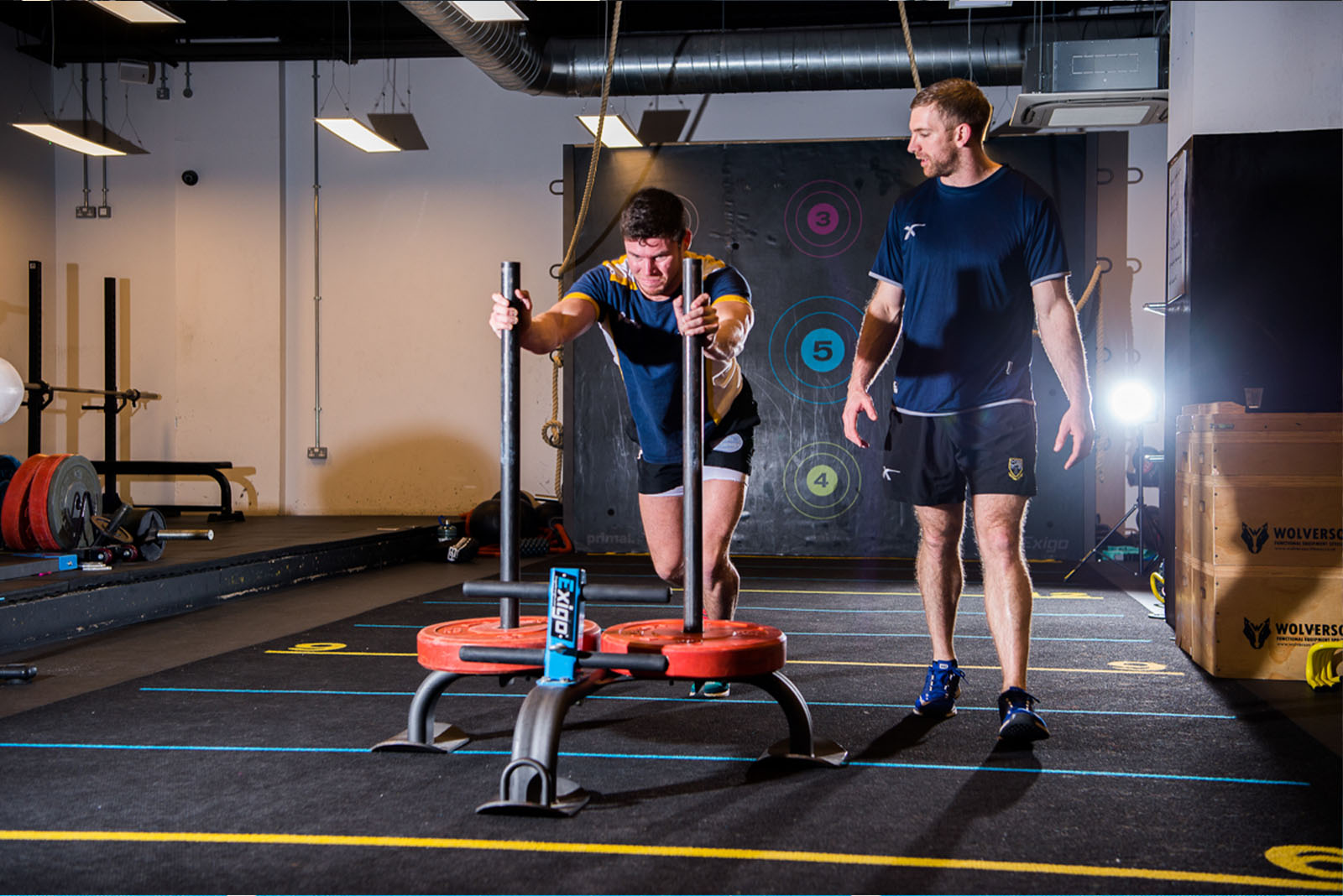
Core Lifts and Movement Patterns — Build your routine around foundational patterns: squat, hinge, push, pull, lunge, and carry. In a squat, sit the hips between the heels while keeping the chest tall and knees aligned. For a hinge like the deadlift, push the hips back, keep shins relatively vertical, and maintain a long spine as you load the posterior chain. On presses, anchor the shoulder blades, grip firmly, and keep wrists stacked to protect joints. For pulls, initiate with the back, not just the arms, drawing elbows toward the body. Lunges demand balance; take a stable step, control the descent, and drive from the midfoot to stand. Carries train core stability—walk tall, pack the shoulders, and resist leaning. Machines and cables can help you groove paths, while free weights challenge stabilizers. Regressions like goblet squats, hip hinges with dowels, or incline presses let you refine mechanics before advancing. Let your mobility and control dictate depth, not ego.
Safe Progression and Overload — The engine of gains is progressive overload, applied gradually and consistently. Increase difficulty by adding a little load, extra reps, more sets, improved range of motion, slower tempo, or denser sessions with shorter rests. Autoregulate using effort gauges like RPE or reps in reserve, stopping sets a rep or two before form breaks. Favor small jumps—micro plates or tiny rep increases—and let quality drive the timeline. Warm-up sets acclimate your nervous system; a challenging top set followed by lighter back-off work blends intensity and volume. Cycle emphasis across days to manage fatigue, and insert periodic deloads when performance or energy flags. Track what you did last time, then aim to do a bit more or better. Avoid chasing personal records every session; stack modest improvements that compound. Remember that progress is rarely linear. When a lift stalls, adjust variables, swap a close variation, or fine-tune technique to keep advancing without sacrificing safety.
Injury Prevention and Gym Safety — Smart trainees treat safety as a skill. Begin with a general warm-up to elevate temperature, then use dynamic mobility and activation drills specific to the session. Rehearse patterns with lighter sets before heavy attempts. Control the eccentric phase, keep joints aligned, and avoid sudden, jerky changes in direction. Use a spotter for heavy presses, set safety pins at the right height in racks, and secure plates with collars. Choose footwear that matches the task—stable soles for squats and presses, flat or minimal shoes for hinges and pulls. Respect signals from your body; distinguish normal training discomfort from sharp pain or joint instability, and stop if something feels off. Keep the training area tidy to prevent trips, be mindful of others' bar paths, and return equipment properly. Hydrate, wipe down handles to maintain grip, and manage chalk or sweat. Consistency thrives when every session stacks safe, repeatable reps.
Recovery, Nutrition, and Lifestyle — Strength is built between sessions through quality recovery. Prioritize consistent sleep, as it restores the nervous system, supports hormones, and consolidates motor learning. Build meals around protein to aid muscle repair, include carbohydrates to fuel training and replenish glycogen, and add healthy fats for satiety. Stay on top of hydration, especially around workouts. Plan rest days and use low-intensity activity, gentle mobility, or walking to promote blood flow without extra fatigue. Differentiate DOMS—the delayed soreness that fades—from problematic pain that worsens with movement. Monitor stress, as life load impacts training tolerance; light breathing drills or short breaks can reset focus. If energy dips, joints feel achy, or motivation wanes, consider adjusting volume or scheduling a deload. Supplements are optional; consistent meals and sleep beat quick fixes. A simple routine you can repeat beats an elaborate plan you cannot recover from.
Consistency, Mindset, and Tracking — A durable training habit relies on clear goals, patient mindset, and honest tracking. Define what success looks like—better technique, more reps with control, or healthier posture—and align your program with those aims. Keep a log of exercises, loads, reps, and notes about form or energy; patterns emerge that guide smart decisions. Film key sets to review bar path and depth, and celebrate small wins to fuel motivation. Schedule sessions like appointments and prepare your bag and plan beforehand to reduce friction. When life is busy, shorten the workout and hit the main lifts with intent rather than skipping entirely. Seek quality over quantity on each rep, and remember that strength development is a marathon of consistent practice. Surround yourself with a supportive environment, be coachable, and stay curious. With steady effort, respectful progression, and pride in pristine form, results become not just possible but inevitable.