Sustainable Style: Simple Swaps for a Greener Closet
Refresh your wardrobe the eco-smart way: swap, repair, and choose better fabrics to cut waste, save money, and build a timeless, greener closet.
Start With a Closet Reset
A greener closet begins with a thoughtful reset. Pull everything out, group by category, and notice patterns: duplicates, neglected items, and go-to favorites. The first simple swap is mindset. Trade impulse buys for intentional choices built around a small capsule wardrobe that fits your life. Swap one-off statements for versatile staples that mix and match across seasons. Replace trend cycles with timeless cuts, focusing on quality over quantity. Use cost per wear to guide decisions, choosing pieces that will earn their place through frequent use. Convert clutter into clarity by editing down to silhouettes and colors that already work for you. Then, fill gaps with durable layers, like a well-constructed blazer instead of two flimsy cardigans, or a structured tee instead of several thin ones. The result is calm, not chaos: fewer items, higher impact, and less waste. This reset creates a foundation where every future purchase supports a lower-impact wardrobe.
Choose Better Fabrics
Fabric choice is a powerful lever. Swap virgin synthetics for recycled fibers when performance is essential, and lean into natural fibers like organic cotton, linen, hemp, and responsibly sourced wool for breathability and longevity. Choose lyocell made from responsibly managed wood pulp for drape and softness without excessive resource use. Prioritize tighter weaves and higher-quality yarns that resist pilling and hold shape over time. When blends are unavoidable, select those designed for durability and easy care, and avoid heavy coatings that crack or shed. Look for third-party certifications that verify fiber sourcing and responsible processing. Opt for undyed or low-impact dyed options when possible, and pick classic colors that withstand many washes without noticeable fading. For activewear, consider recycled nylon or polyester and wash in a microfiber-catching bag to reduce shedding. These swaps help conserve resources, curb waste, and deliver garments that feel better on your skin while lasting longer in your everyday rotation.
Embrace Secondhand, Rental, and Swaps
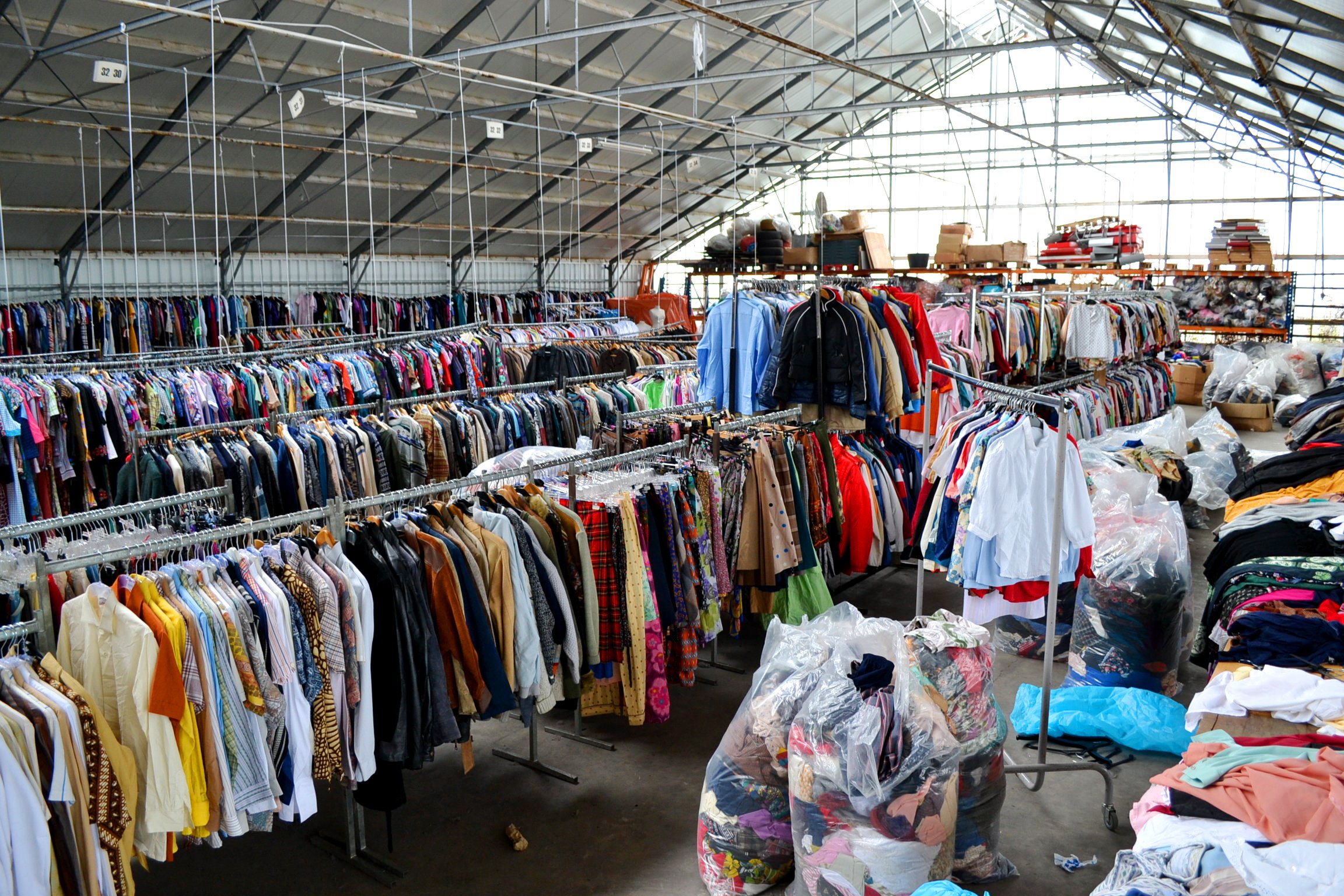
Give clothes a second life and save resources by choosing secondhand first. Trade buying new for treasure hunting at thrift, vintage, or consignment stores, where craftsmanship and unique finds abound. Swap special-event purchases for rental when you only need standout pieces briefly. Organize a clothing swap with friends to refresh your style at zero cost, or explore resale platforms for specific items on your wish list. When shopping secondhand, check seams, zippers, and fabric integrity; small flaws can be solved with a quick mending session or a simple alteration. Take body measurements and carry them with you to ensure great fit across brands and eras. Tailoring transforms almost-right pieces into wardrobe heroes. By redirecting your budget toward pre-loved garments, you reduce demand for new production, shrink packaging waste, and cultivate a personal aesthetic that does not rely on constant novelty. The simple habit of searching secondhand first turns fashion into a circular, creative practice.
Care That Makes Clothes Last
Smart care is a quiet superpower. Swap hot washes for cold water cycles and line drying whenever possible to save energy and extend fabric life. Replace routine dry cleaning with hand-washing, gentle machine cycles, or steaming for many delicates and tailored pieces. Use a mild, concentrated detergent and wash full loads to reduce friction that causes wear. For synthetics, add a microfiber-catching bag to limit shedding. Keep a small mending kit on hand to reattach buttons, stitch seams, and reinforce hems before issues grow. Treat stains promptly with targeted methods suited to the fabric rather than harsh, blanket approaches. Comb pills from knits instead of discarding them, and use breathable storage with cedar or lavender to deter pests naturally. Insert shoe trees to preserve shape, and rotate footwear to allow materials to recover. These straightforward swaps extend life, preserve fit and color, and keep your favorites in steady, satisfying rotation.
Buy Less, Buy Smarter
Sustainable style thrives on intention. Swap spur-of-the-moment purchases for a wish list guided by outfit formulas you actually wear. Give yourself a cooling-off window before buying, and prioritize pieces that create multiple looks with what you already own. Choose garments with repair-friendly construction, sturdy seams, and spare buttons. Read fiber labels and prefer breathable, easy-care fabrics over fussy materials that require frequent dry cleaning. Opt for neutral or signature colors that dovetail with your palette, and select seasonless layers that bridge changing weather. Try the cost-per-wear test: if a higher-quality piece will be worn dozens of times, it often beats a cheaper option that sits idle. Replace trend-chasing with personal style clarity anchored in fit, comfort, and function. When something misses the mark, return it rather than forcing it into the closet. These mindful shifts channel your budget into lasting value, reducing waste while elevating daily dressing.
Footwear and Accessories With Purpose
Small choices add up. In footwear, swap disposable styles for resoleable designs with stitched constructions that can be refreshed by a cobbler. Choose uppers in durable leather from responsible sources or explore plant-based alternatives like cork or innovative bio-based composites, and look for recycled rubber outsoles. Prioritize comfort and repairability over flashy details that age quickly. For bags, consider sturdy canvas, recycled materials, or deadstock textiles, and add a protective liner to extend life. Swap brittle PVC belts for cork or recycled leather, and choose recycled-metal jewelry or thoughtfully sourced vintage pieces. Sunglasses with replaceable lenses and fixable hinges outlast fragile frames. Scarves, hats, and hosiery offer powerful style updates with minimal resource use; choose high-quality versions and care for them well. A deliberate accessories strategy multiplies outfits, reduces new-production demand, and keeps your look fresh without constant wardrobe overhauls.
Close the Loop and Share the Love
A greener closet ends as thoughtfully as it begins. Swap tossing for resale, donation, or textile recycling to keep garments in circulation. Clean, repair, and neatly package items before passing them on so they are truly ready for their next chapter. Upcycle worn-out tees into cleaning cloths, transform denim into patches, or craft bags from sturdy fabrics. For pure, undyed natural fibers, consider responsible composting if trims are removed. Engage your community through clothing swaps, neighborhood repair cafes, or skill-sharing nights that teach basic mending. Store clothes well: fold heavy knits to prevent stretching, use breathable covers for suiting, and rotate items seasonally to ensure balanced wear. Track outfits in a simple log to identify your real heroes and guide future choices. These closing loops reduce waste, celebrate resourcefulness, and reinforce a style journey built on respect for materials, makers, and the planet.