The Art of Layering: Elevate Any Outfit with Smart Stacking
Master layering with smart stacking: play with proportions, textures, and color to turn basics into polished, season-ready outfits.
Foundation First
Build your outfit on a strong foundation and the rest of your layering becomes effortless. Start with breathable, close-to-skin pieces like fine-knit tees, lightweight turtlenecks, or sleek camisoles that create a smooth base without bulk. Prioritize fit and fabric: soft cotton blends, merino, and silk-knits glide under outer layers and reduce friction. Choose lengths thoughtfully; a longer base lets you peek a clean edge beneath a cropped sweater, while a hip-length tee tucks neatly into high-rise bottoms. Consider necklines that complement what follows, from crew to V to mock neck, so each tier feels intentional. Tuck, half-tuck, or French-tuck to define the waistline and control volume. Keep early layers in a neutral palette or tonal hues to expand your options up top. Finally, check movement and comfort: raise your arms, sit, and walk to confirm nothing pulls or rides. A refined foundation sets the silhouette, helps regulate temperature, and gives every added piece a purposeful role.
Proportion Play
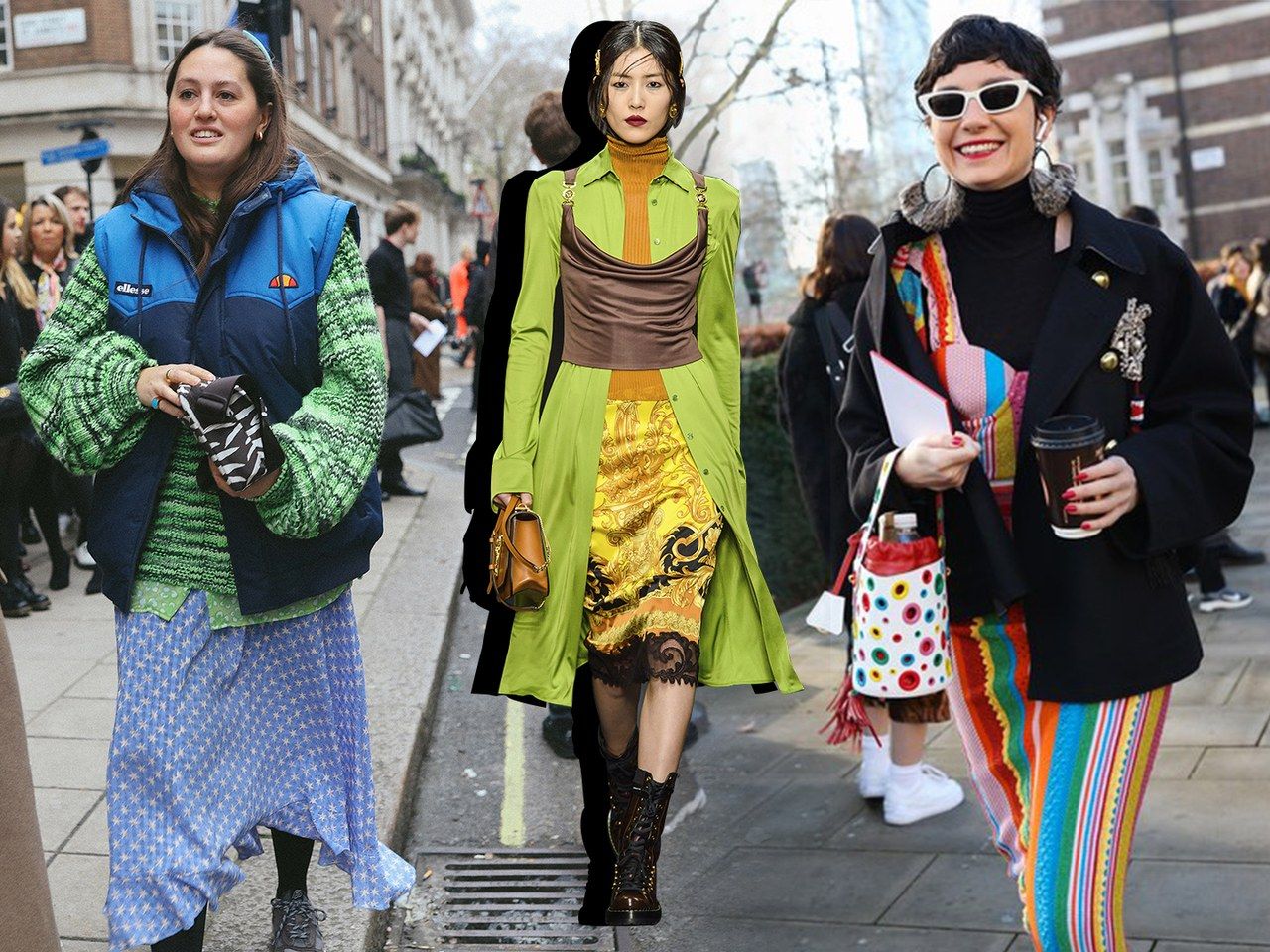
Mastering proportions turns layering into a visual art. Think in contrasts and counterweights: long over lean, cropped over relaxed, structured over soft. A trim base with a boxy cardigan creates clarity, while a flowing shirt under a fitted blazer sharpens the outline. Balance volume in one zone at a time; if trousers are wide, keep mid-layers closer to the body, and let a coat carry the drama. Use hemlines to step the eye downward: tee at the hip, overshirt slightly lower, coat a touch longer. Shorter top layers can spotlight the waist, especially when paired with a subtle belt or cinching detail. Cuff sleeves to reveal a crisp shirt cuff, or push them up to expose a sliver of knit, creating rhythm and depth. Mind the shoulder line; structured shoulders elevate slouchy knits beneath, while a drop-shoulder sweatshirt relaxes tailored shirts. With thoughtful stacking, every length and line collaborates to create a balanced silhouette.
Texture Mix
The fastest way to add dimension is through a smart texture mix. Pair matte with sheen, smooth with nubby, structured with fluid. Imagine a ribbed knit under a satin slip dress topped with a grainy wool coat; each surface catches light differently, sculpting a rich, layered effect. Denim grounds slick leather, airy chiffon softens sturdy twill, and bouclé or brushed knits bring cozy tactility to clean shirting. Keep textures that might snag or shed apart; let slippery fabrics live closer to the body so outer layers slide on without fuss. When combining multiple knits, vary gauge and weight to prevent bulk and keep breathability. Metallic threads and subtle hardware can act like texture, offering sparkle without overpowering. Treat textures like a conversation: one statement fabric leads, supporting materials respond. This interplay delivers depth in neutral palettes and makes simple silhouettes feel meticulous. The result is touchable interest that reads luxurious, even in everyday pieces.
Color Strategy
A considered color palette makes layering look intentional. Start with monochrome or tonal layering to elongate the body, then introduce small shifts in shade for quiet sophistication. When you crave contrast, anchor the outfit with a dominant hue and add one or two deliberate accents for clarity. Think camel with inky navy, charcoal with soft blush, olive with cream. Patterns thrive when scale is managed: pair a fine stripe with a larger check, or let a subtle print peek from collars and cuffs. Use accessories to echo colors elsewhere, creating a cohesive throughline from scarf to sock to trim. Treat metallics as modern neutrals that bridge palettes without competing. If a color feels bold, deploy it in a mid-layer so it peeks rather than shouts, or bury it as a hidden pop that appears in motion. Above all, keep negative space in mind; breathable color placement calms visual noise and preserves elegant balance.
The Third Piece
Elevate any base with a strategic third piece. A tailored blazer sharpens knits and tees, a quilted vest adds light insulation without bulk, and an overshirt lends relaxed structure. Scarves, belts, and jewelry can function as soft third pieces, guiding the eye and defining shape. Aim for harmony in weight and finish: a chunky cardigan appreciates solid footwear and a sturdy bag; a sleek jacket pairs best with refined shoes and minimal hardware. Consider the triangle of interest principle by creating three focal points that talk to each other, such as lapels, waist detailing, and shoes. Keep closures adjustable; open, half-zipped, or loosely tied layers change the vibe instantly. Footwear completes the stack: boots ground volume, loafers refine, sneakers lighten. Even a visible sock edge can bridge colors between top and bottom. With one thoughtful addition, your look gains dimension, function, and a signature that feels entirely your own.
Adaptive Layering
Smart stacks adapt to shifting settings and temperatures. Build modularity into your outfit with pieces that add or release heat on demand: breathable base layers, mid-weight knits, and shells with vents or two-way zips. Look for packable elements like a thin down liner or compact rain shell that slips into a tote. Prioritize mobility—raglan sleeves, side slits, and stretch panels keep layers from fighting one another. Fastenings matter; snaps, ties, and double-breasted wraps let you fine-tune coverage and silhouette throughout the day. For quick transitions, swap a cardigan for a blazer, trade a scarf for a statement necklace, or roll cuffs to reveal a contrasting underlayer. Maintain your pieces with proper brushing, steaming, and folding so surfaces remain crisp and stackable. Above all, listen to comfort: adjust weights, lengths, and textures until the proportions breathe. Adaptive layering respects practicality, honors personal style, and ensures your outfit moves as gracefully as you do.