The Art of Spotting Trends Before They Go Mainstream
Anticipate the next big thing with a repeatable system: read weak signals, map cultural shifts, test fast, and act before momentum peaks.
Sensing the Subtle Signals: Spotting trends before they go mainstream starts with cultivating curiosity for weak signals and edge cases that most people overlook. Treat the world like a living lab: study early adopters, niche forums, maker communities, indie product launches, street style, and unexpected mashups in music, tools, and workflows. Notice anomalies and pattern interrupts in everyday routines, such as new hacks that remove friction or new habits appearing in public spaces. Pay attention to language shifts: fresh metaphors, inside jokes, or new verbs people use to describe tasks. Observe how people solve problems with workarounds and improvisations; those scrappy solutions often hint at tomorrow's polished features. Keep lightweight field notes with screenshots, overheard phrases, and small observations, then revisit them regularly to see what persists. Above all, adopt a humble, observational stance. The trend often whispers before it shouts, and your job is to tune your ear to the whisper rather than wait for the chorus.
Building a Radar That Sees Wide: A powerful trend radar balances breadth and depth with intentional peripheral vision. Curate an information diet that spans disciplines: culture, technology, design, economics, and behavioral science. Rotate sources to avoid filter bubbles, and practice triangulation by comparing how the same topic surfaces in creator communities, product reviews, job postings, academic abstracts, and consumer conversations. Create simple dashboards that track signal velocity and stability: are mentions accelerating, or is interest choppy and episodic. Watch for cross-domain resonance, where a motif appears simultaneously in beauty, food, software, and fitness, signaling a deeper driver. Note the signal-to-noise ratio by logging how often the idea appears with clear use cases versus vague hype. Capture contradictions too; disagreement can be an early tell. Remember that radar is not just about inputs but about disciplined observation habits that turn random data points into a coherent view of what might crest next.
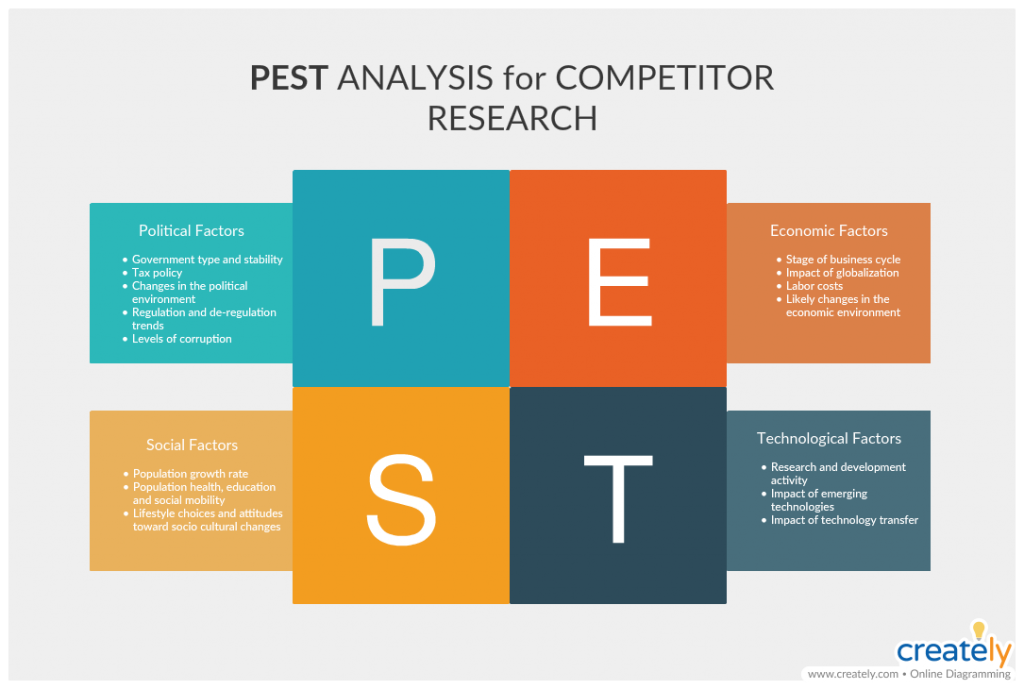
From Dots to Patterns: Gathering signals is only half the craft; the other half is synthesis. Cluster observations by intent, need state, or jobs to be done rather than by superficial category labels. Apply STEEP lenses social, technological, economic, environmental, political to explore root drivers. Use first principles to strip ideas to their essentials, then rebuild them across adjacent contexts. Practice analogical thinking by asking where you have seen a similar mechanism succeed in another field. Map second-order effects to foresee what enabling infrastructure or cultural shifts a trend would require to scale. Differentiate fads from durable shifts using simple tests: Does it solve a recurring pain, lower friction meaningfully, unlock status or identity, or create network effects. Look for repeated utility over momentary novelty, strong habit loops, and evidence of behavior change rather than declared intent. Patterns emerge when independent signals rhyme; your value lies in hearing the rhyme before it becomes a chorus.
Small Experiments, Fast Feedback: The quickest way to validate a trend thesis is through rapid experimentation. Build tiny prototypes, run concierge tests, or craft low-fidelity demos to learn, not to impress. Use smoke tests and copy experiments to gauge attention, clarity, and willingness to act. Seek leading indicators such as sign-up intent, repeat engagement, waitlist conversion, or referral rate rather than vanity metrics. Pair numbers with qualitative insight by asking why now, why this, and what trade-offs people will tolerate. Set explicit kill criteria and time-box tests to prevent sunk-cost traps. Layer experiments from safe-to-try to slightly bolder pilots so each iteration de-risks the next step. Invite contrarian critiques to pressure-test assumptions, and maintain ethical guardrails around consent and transparency. When experiments converge on consistent pull, double down with a focused roadmap. When they do not, honor the data, retire the hypothesis, and recycle the learning into your next bet.
Timing, Packaging, and Momentum: Even sharp trend insights can stall without the right timing and positioning. Identify prerequisites that must be in place cost curves, tooling, cultural readiness, or distribution access and watch for inflection signs that these enablers have matured. Package the idea with clear narrative and naming that make benefits legible in seconds. Use metaphors to anchor new behavior to familiar mental models, and craft on-ramps that reduce friction for first use. Align distribution with where early adopters already gather, and design momentum loops so each new participant reinforces visibility and utility. Social proof and credible use cases matter more than grand promises; emphasize progress and outcomes over hype. Focus on teachability and repeatable wins that help the idea traverse from enthusiasts to pragmatists. Above all, pace the reveal: build signal density steadily, letting evidence stack until the story tells itself and the market feels like it discovered the movement, not that it was sold one.
Your Personal Trend Practice: Sustainable trend spotting thrives on consistent rituals and a system for thinking. Establish daily scanning, a weekly synthesis hour, and a monthly review where you refine theses, archive weak ideas, and elevate strong ones. Maintain a searchable note archive with tags for drivers, barriers, enablers, and adjacencies. Keep a decision log that records hypotheses, expected outcomes, and actual results; this fosters calibration by exposing overconfidence and blind spots. Build a trusted network of scouts across domains and geographies, and trade insights generously to sharpen collective sense-making. Adopt create to learn by writing briefs, sketching prototypes, or hosting small discussions that force clarity and invite feedback. Actively manage bias confirmation, novelty, and recency by using checklists and counterfactual tests. Protect attention with rest cycles; discernment requires energy. Over time, your practice becomes antifragile, improving with every false start, micro-win, and revised thesis, so you stay ahead of trends without chasing noise.