Wardrobe Care Essentials: Make Your Clothes Last Longer
Care smarter: wash cooler, dry gentler, store better. These wardrobe care essentials help fabrics last longer and look new, season after season.
Know Your Fabrics and Labels — The foundation of wardrobe care is understanding what your clothes are made of and how they're constructed. Start with the care label: it's a roadmap revealing fiber content, recommended wash temperature, and whether to dry clean, hand wash, or machine wash. Natural fibers like cotton, linen, and wool breathe well but can shrink or felt if mishandled, while synthetics such as polyester, nylon, and spandex resist wrinkles but may trap odors if over-dried. Blends combine strengths and weaknesses, so treat them with balanced care. Check construction details—seam strength, lining, interfacing, and button attachment—because sturdier builds withstand more wear. Test colorfastness by dabbing a damp white cloth on an inconspicuous area before washing. For delicate weaves, a mesh bag adds a layer of protection. Understanding these nuances helps you choose the gentlest effective method, reducing fiber fatigue, fading, and distortion. When in doubt, start conservatively: cool water, a gentle cycle, minimal agitation, and air-drying keep fabrics resilient far beyond their first season.
Wash Smarter, Not Harder — Thoughtful laundering is the fastest route to longer-lasting clothes. Sort by color, fabric weight, and soil level to prevent dye transfer and abrasion. Opt for cold water for most loads; it's kinder to dyes and elastics while still effective with modern detergents. Choose a gentle cycle for delicate weaves and activewear, reserving heavy agitation for towels or sturdy denim. Pre-close zippers and hooks, and turn garments inside out to reduce pilling and preserve surface finishes. Measure detergent precisely; overuse leaves residue that attracts grime and dulls fibers. A mesh bag shields lace, knits, and items with straps. For performance fabrics, skip fabric softeners that clog fibers; rely on a thorough rinse instead. Treat stains before washing and avoid hot water until the mark is gone. Keep loads moderate—overstuffed drums cause friction and wrinkling. With consistent, gentle practices, you reduce stress on fibers, lock in color, and keep textures smooth and crisp.
Drying With Intention — The dryer is convenient, but mindful drying dramatically extends garment life. Whenever possible, air-dry to minimize shrinkage, fading, and weakened elastics. Lay knits flat on a clean towel, reshaping edges and necklines to their original dimensions; gravity on a hanger can stretch them out. For woven shirts and dresses, hang on shaped hangers to maintain structure, smoothing seams and plackets while damp. Use low heat and a shorter tumble cycle when machine drying is necessary, removing items slightly damp to finish air-drying; this reduces friction and heat damage. Avoid prolonged direct sun for bright colors, which can desaturate; diffuse light works best. Create airflow with a rack positioned away from walls, and rotate pieces for even drying. Gently roll heavy sweaters in a towel to press out moisture before laying flat. Skip dryer sheets for technical fabrics and delicate elastane; they coat fibers. Purposeful drying protects stretch recovery, preserves finishes, and keeps silhouettes crisp.
Smart Stain Strategy — Effective stain care is about speed, method, and patience. First rule: blot, don't rub. Press a clean white cloth to lift excess without driving pigment deeper. Identify the stain type: protein (sweat, milk, blood), oil and grease, tannin (coffee, tea, wine), dye, or combination. Use cold water on protein stains to prevent setting; apply a gentle enzyme solution if the fabric allows. Break down oils with a drop of mild dish soap, working from the outside in with a soft brush. For tannins, a color-safe oxidizing approach may help, but always colorfast-test an inside seam. Avoid heat until the stain fully disappears, as warmth can lock residue into fibers. Rinse thoroughly so cleaners don't leave rings. For delicate silks or wools, dab carefully with diluted solutions and support the fabric from beneath. Document what worked for each fabric in a small note; repeatable routines turn panic into confidence and keep garments immaculate.
Store Like a Stylist — Proper storage safeguards shape, color, and texture. Hang structured items—blazers, coats, and tailored dresses—on wide wooden or padded hangers to distribute weight. Use clip hangers with protective grips for skirts and trousers, aligning seams to prevent marks. Fold knits to avoid shoulder bumps and stretching; stack lightly or use drawer organizers for airflow. Adopt file folding for tees and denim so pieces are visible and less handled. Slip special-occasion garments into breathable garment bags, never plastic, to prevent moisture buildup. Tuck cedar or natural repellents in closets to discourage pests, and keep spaces clean and slightly ventilated. Maintain roomy spacing on rods; crowding crushes fibers and causes wrinkles that require more heat to remove. For handbags, maintain shape with soft stuffing; for shoes, use shoe trees to preserve structure and absorb moisture. Rotate front-and-center items periodically to balance wear, and you'll find fewer surprises and far more longevity.
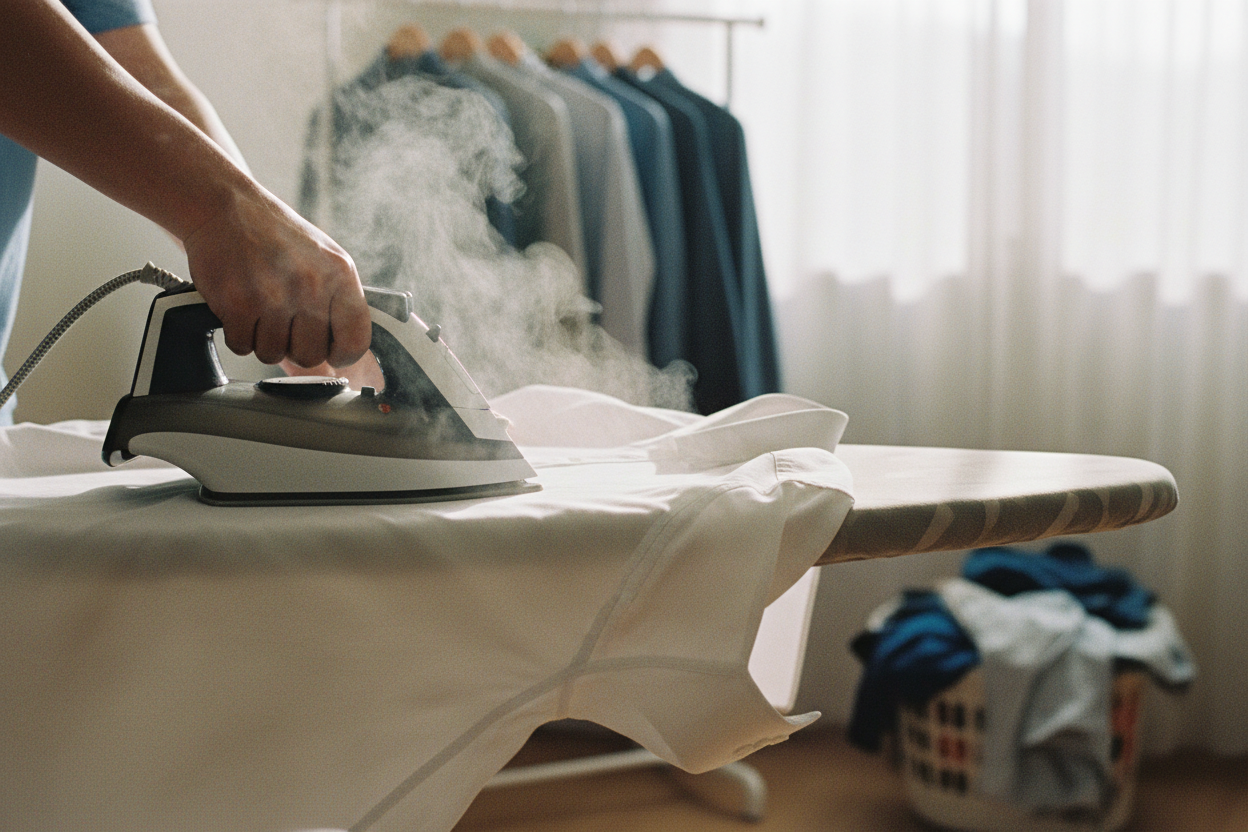
Maintain, Mend, and Refresh — Small acts of care prevent big replacements. Keep a sewing kit handy to secure loose buttons, tighten hooks, and reinforce stress points before they fail. Master a simple blind stitch and backstitch for invisible, durable repairs. Tackle pilling with a sweater comb or fabric shaver, gliding gently to protect the knit. Refresh between wears by airing out garments on a hanger, using steam to relax wrinkles and neutralize odors; steaming is kinder than aggressive pressing and helps retain drape. When you do iron, match heat settings to fiber, use a press cloth on delicates, and press rather than drag to avoid shine and seam distortion. Brush wool coats and trousers with a soft clothing brush to lift dust and revive the nap. Deodorize with time and airflow instead of heavy fragrances that mask rather than solve. Regular, light-touch maintenance keeps clothes camera-ready and reduces the need for harsh, fabric-tiring interventions.
Build Lasting Habits — Longevity thrives on routine. Wear items multiple times between washes when appropriate, spot-cleaning and steaming to preserve fibers and trims. Rotate shoes and tailored pieces to allow recovery time, especially for materials that benefit from rest. For travel, roll sturdy items, fold tailored ones with tissue at stress points, and use packing cubes or a garment folder to reduce friction. On arrival, hang pieces immediately and apply gentle steam to release creases. Practice seasonal rotation: clean garments before storing, fasten closures to maintain shape, and place in dark, breathable containers clearly labeled for easy retrieval. Adopt a cost-per-wear mindset and focus on quality over quantity; choosing better-made pieces and caring for them means fewer, smarter purchases. Track what you reach for most and refine your wardrobe around it. These sustainable habits trim clutter, reduce environmental impact, and keep your favorite clothes looking exceptional far into the future.